Article: The 10 Minute Spring Walking Habit You’ll Actually Stick With
The 10 Minute Spring Walking Habit You’ll Actually Stick With

When spring rolls around, there’s often a sudden urge to “get back into exercise”.
The problem? We tend to picture exercise as a full production. Change clothes. Find 45 minutes. Drive somewhere. Do the workout. Shower. Get back to whatever we were supposed to be doing.
On a busy Tuesday, that can feel like a lot.
But movement doesn’t have to arrive in one perfectly packaged workout. A simple 10-minute walking break can be an easy way to add more activity to your day, especially when you make it something you can do without much preparation.
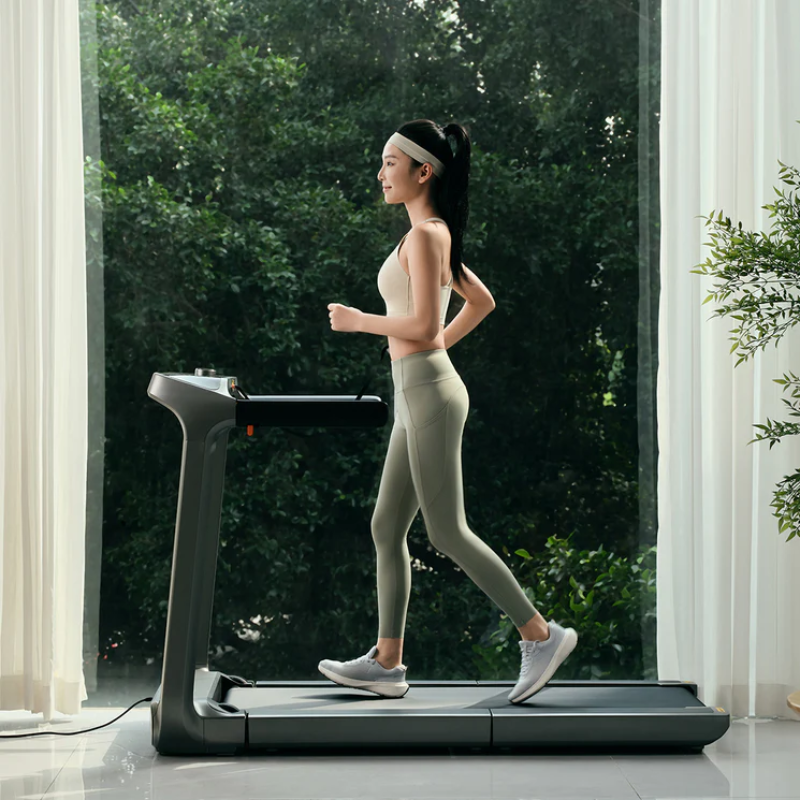
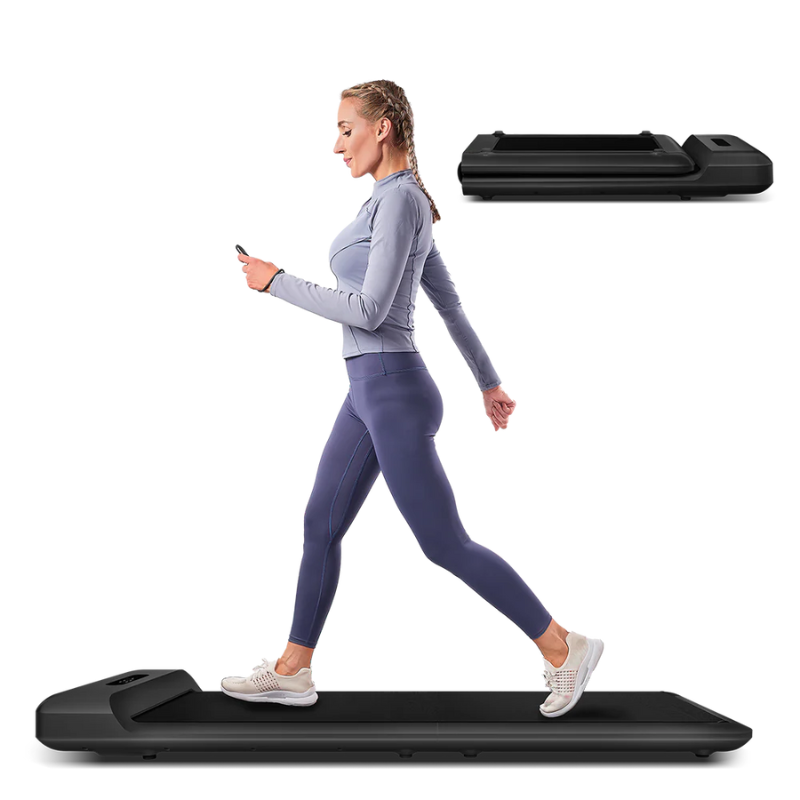
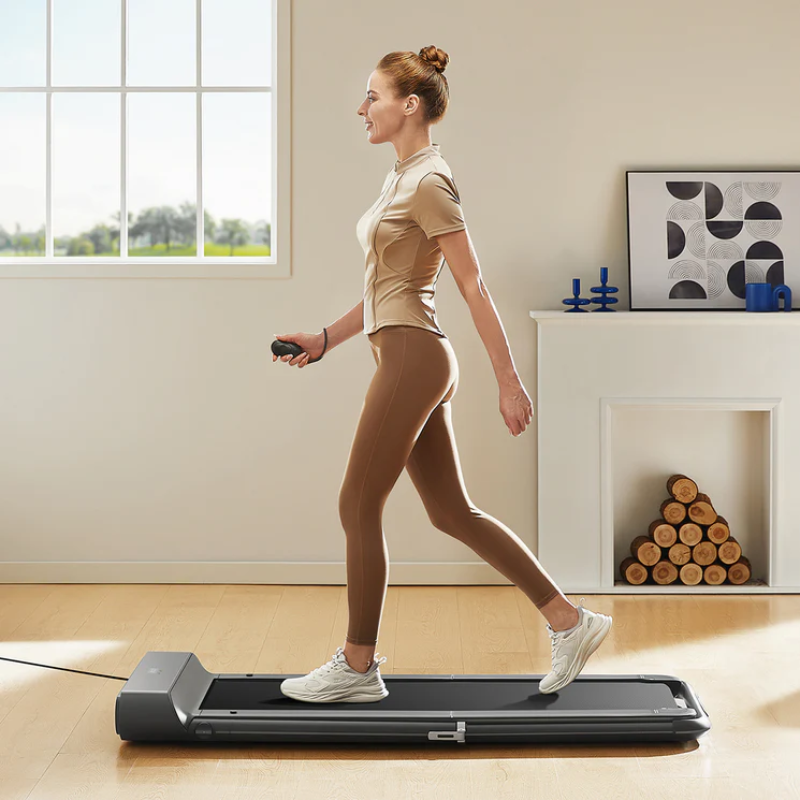
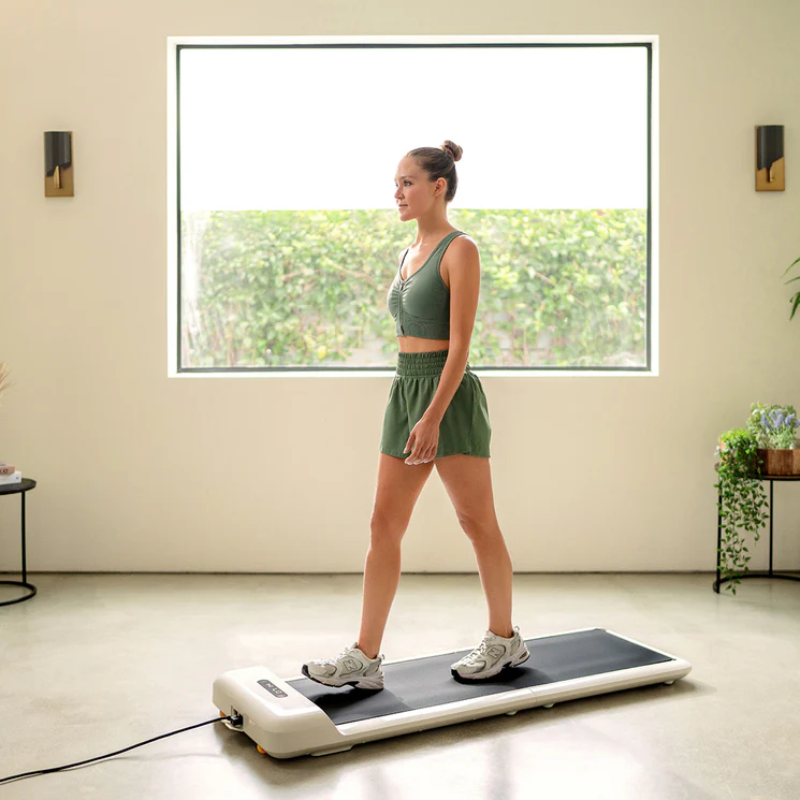
That could mean heading outside before work, walking around the block after lunch or stepping onto a walking pad while you catch up on emails.
The goal isn’t to make every walk a serious workout. It’s to make moving more often feel normal.
Why 10-minute walks are worth your time
One of the easiest exercise traps to fall into is thinking, “I only have 10 minutes, so there’s no point.”
There is.
Australia’s updated 2026 movement guidelines recommend that adults limit sedentary time, break up prolonged periods of sitting as often as possible and get several hours of light-intensity physical activity each day. The Australian Government’s 24-hour movement recommendations also note that replacing sedentary behaviour with physical activity of any intensity can provide health benefits.
In other words, you don’t have to wait until you have an uninterrupted hour available before getting out of your chair.
Three 10-minute walking breaks also add up to 30 minutes of movement across your day. Whether that walking contributes to your moderate-to-vigorous activity target will depend on how briskly you walk, but it can still help you spend less of the day sitting.
That distinction matters.
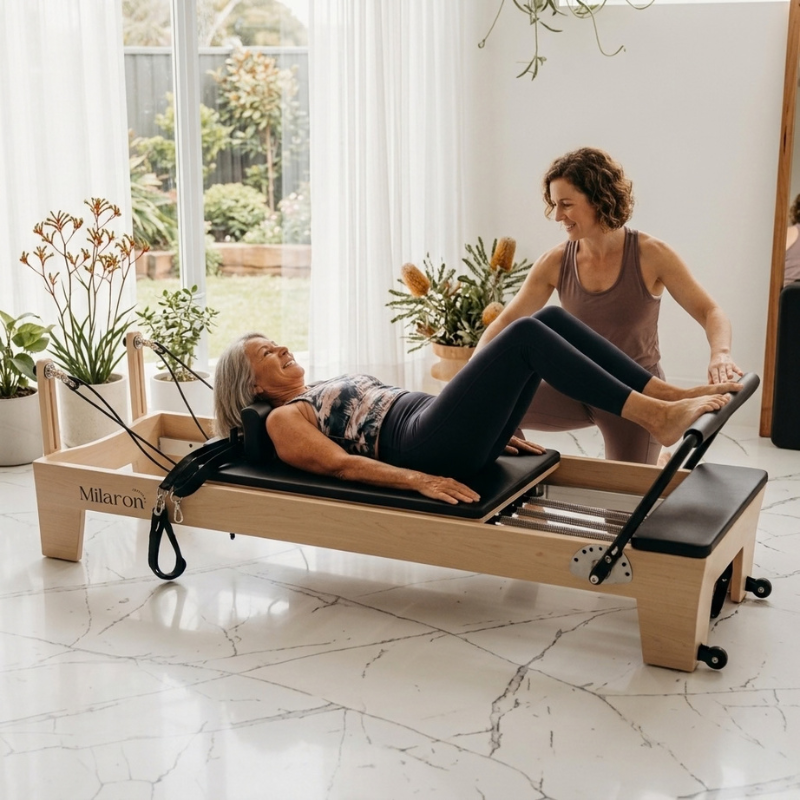
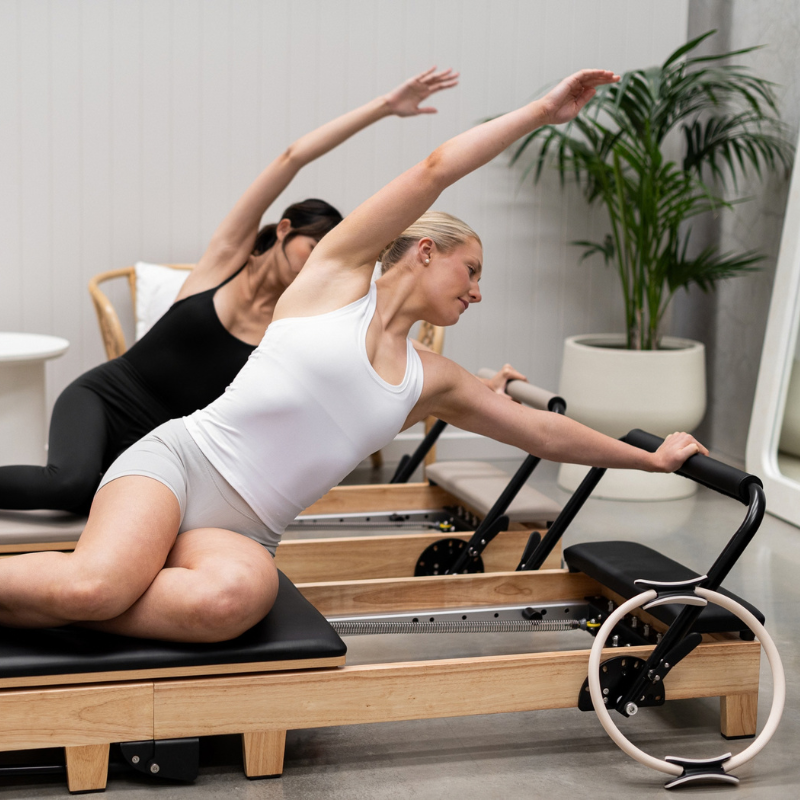
Your short walk doesn’t need to replace Pilates, strength training, running or other workouts you enjoy. Think of it as another layer of movement that fits between them.
If you’re interested in combining different types of exercise across the week, our guide to the 3-2-1 workout method looks at one way to balance Pilates, strength training and cardio without making every day feel like a major workout.
The spring habit that doesn't need a major schedule change
Spring is a nice time to reset routines because longer days and warmer weather naturally make movement feel a little more inviting.
But rather than promising yourself that this is the season you’ll suddenly fit five big workouts into every week, try starting with one tiny rule:
When you find 10 spare minutes, walk.
You could build that habit around moments that already exist in your day:
-
Walk for 10 minutes before opening your laptop in the morning.
-
Take a walking break between two meetings.
-
Walk while making a phone call.
-
Head outside for 10 minutes after lunch.
-
Use a walking pad while watching part of an episode or listening to a podcast.
-
Take a short walk after dinner instead of immediately settling onto the sofa.
You’re not trying to find more time. You’re attaching movement to time that already exists.
A 10-minute walk after meals can be especially useful
The post-lunch slump makes sitting feel particularly tempting. It can also be a very practical time to move.
A 2023 study looking at exercise after meals found that exercising after eating reduced post-meal glucose rises compared with remaining inactive, with exercise performed relatively soon after eating appearing particularly beneficial. Walking was one of the forms of exercise included.
More recent research has also looked at what happens when prolonged sitting is interrupted with very short activity breaks. A 2026 study combining findings from 53 previous studies found that activity breaks lasting less than 10 minutes improved post-meal glucose and insulin responses compared with prolonged sitting, with walking breaks showing particularly favourable results.
You don’t need to turn this into another complicated health rule, though.
“Lunch finished, time for a quick walk” is enough.
If you have specific medical concerns or have been given exercise advice by a healthcare professional, follow that guidance rather than treating general walking recommendations as personalised medical advice.
Where a walking pad makes the habit easier
Outdoor walks are lovely in spring. They’re not always practical.
You might be working from home between back-to-back calls. Melbourne might have decided to deliver four seasons before lunch. Or you simply might not want getting changed, finding shoes and leaving the house to become another reason not to move.
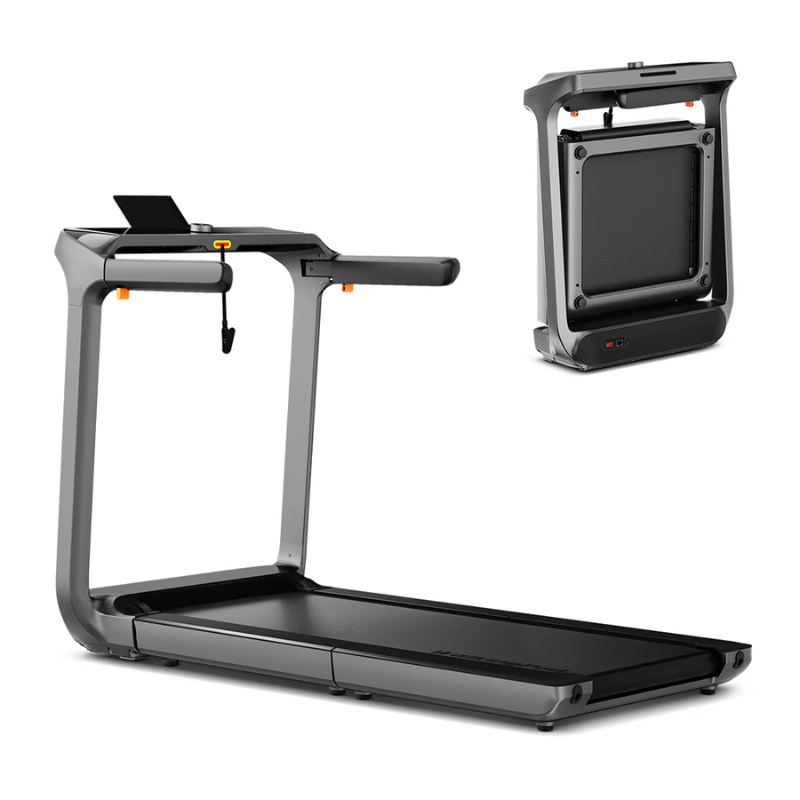
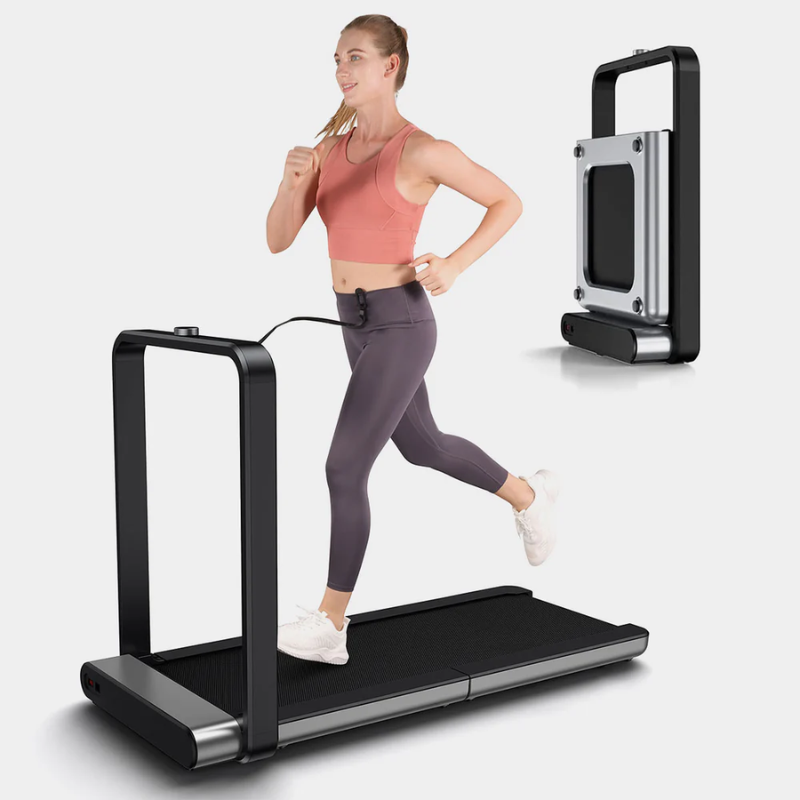
That’s where a walking pad can be useful.
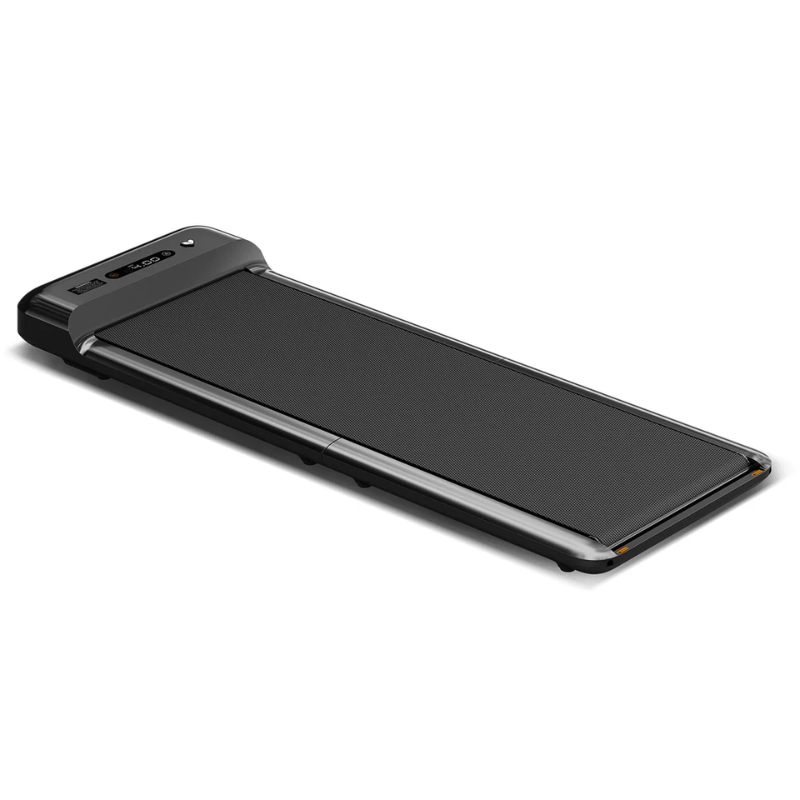
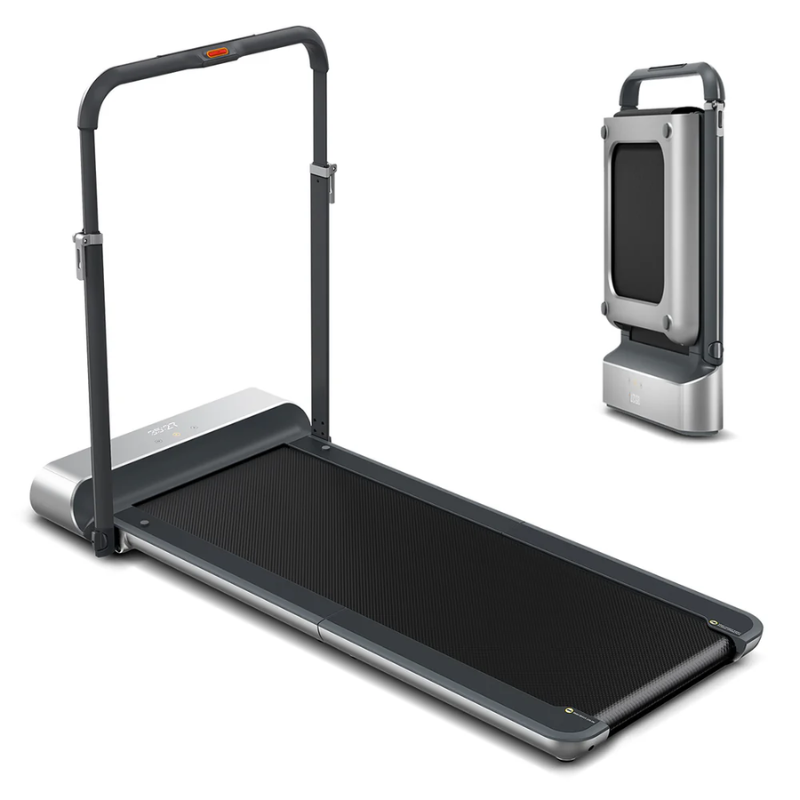
Unlike exercise equipment that tends to demand a dedicated workout session, walking pads can make movement available in the small gaps scattered throughout your day.
Finish a meeting at 10:50 and have another at 11:00? Walk.
Have 10 minutes before dinner is ready? Walk.
Watching something you would normally watch from the couch? Walk for the first 10 minutes.
Making the activity easier to start can be more important than making it more ambitious.
Try the “one song isn't enough, three songs is plenty” approach
Ten minutes can still sound like exercise when you’re having a busy day.
So make it feel smaller.
Put on roughly three of your favourite songs and walk until they finish. Or start a short podcast segment. Set a 10-minute timer. Answer a couple of voice messages while you move.
There’s no prize for making your walking break harder than it needs to be.
Start at a comfortable pace. If you want more intensity and it feels appropriate for you, gradually increase your speed until your breathing picks up.
And if some days you only manage five minutes? That is still five minutes you didn’t spend sitting.
How to choose a walking pad you'll actually use
If you’re searching for the best walking pad Australia has to offer, it’s easy to get caught up comparing specifications.
I’d start with a more practical question: What would make me use this regularly?
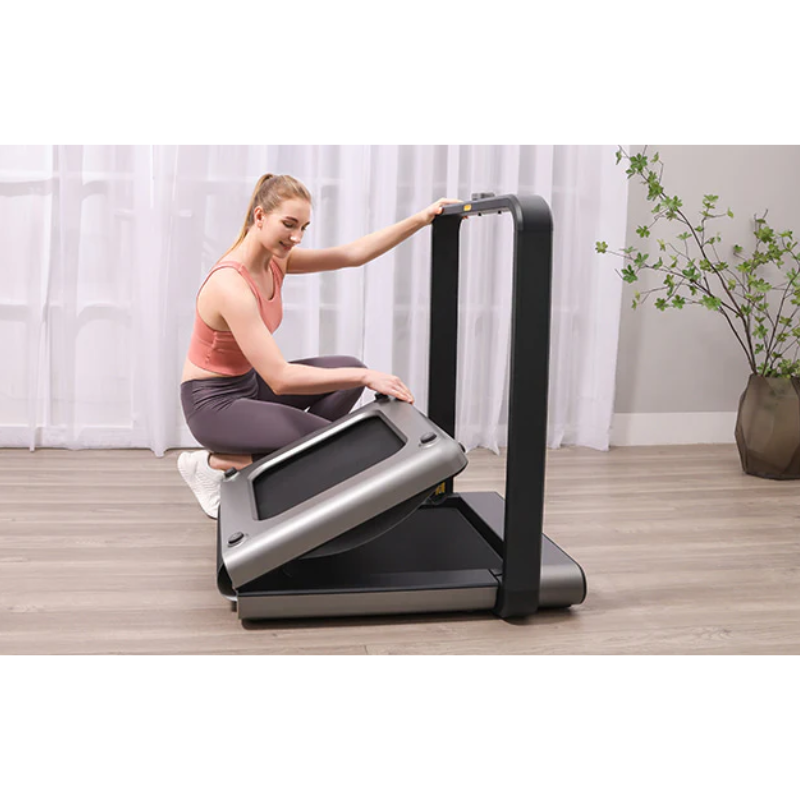
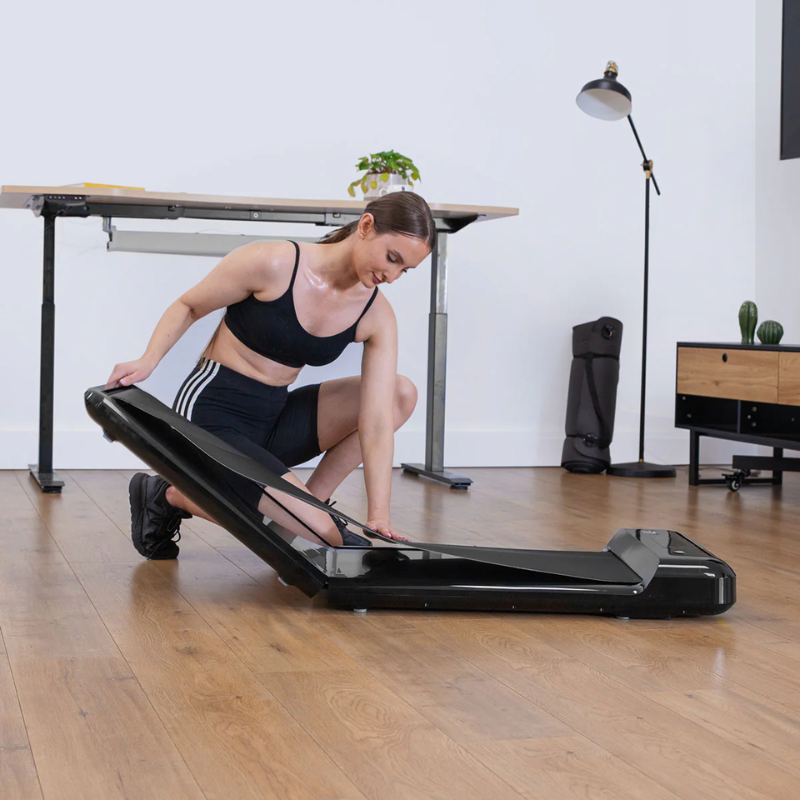
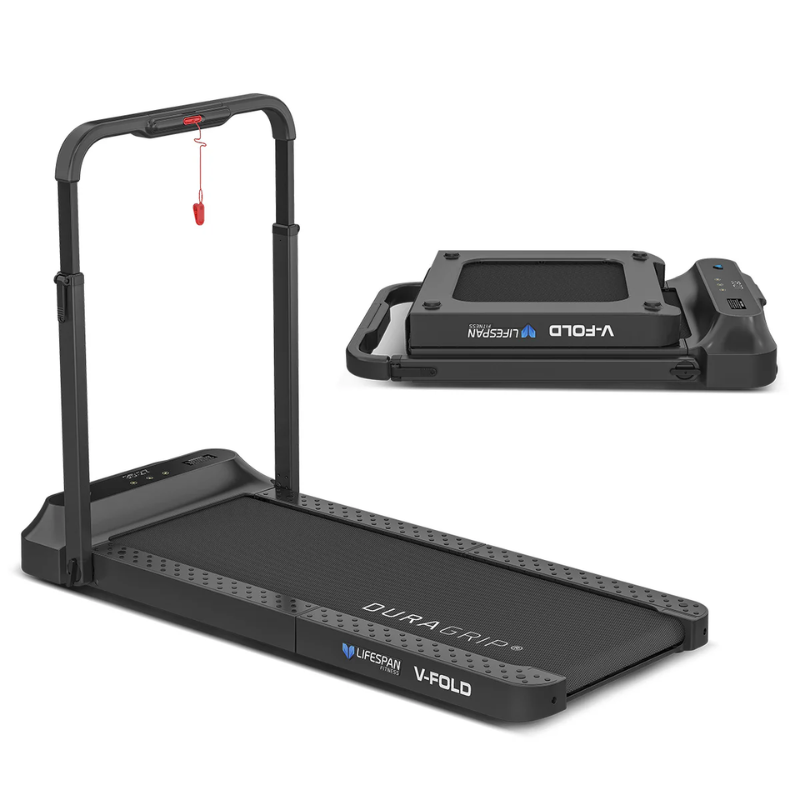
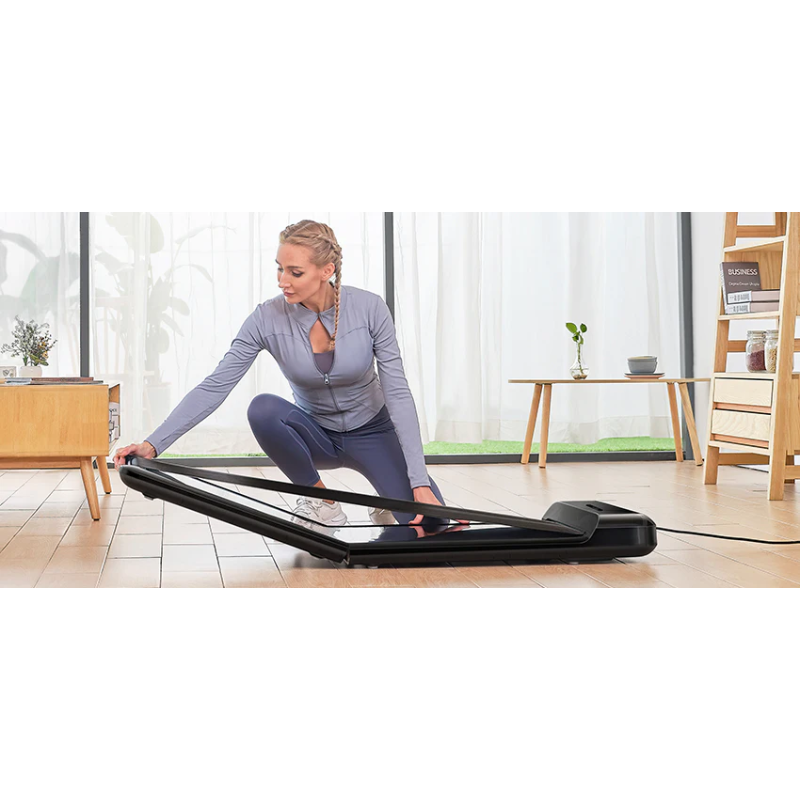
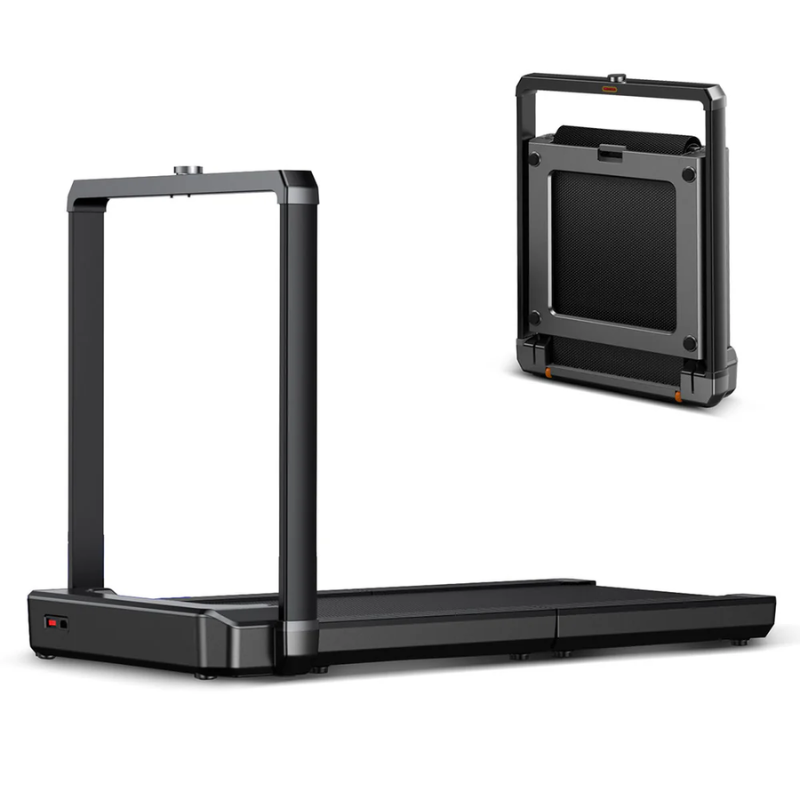
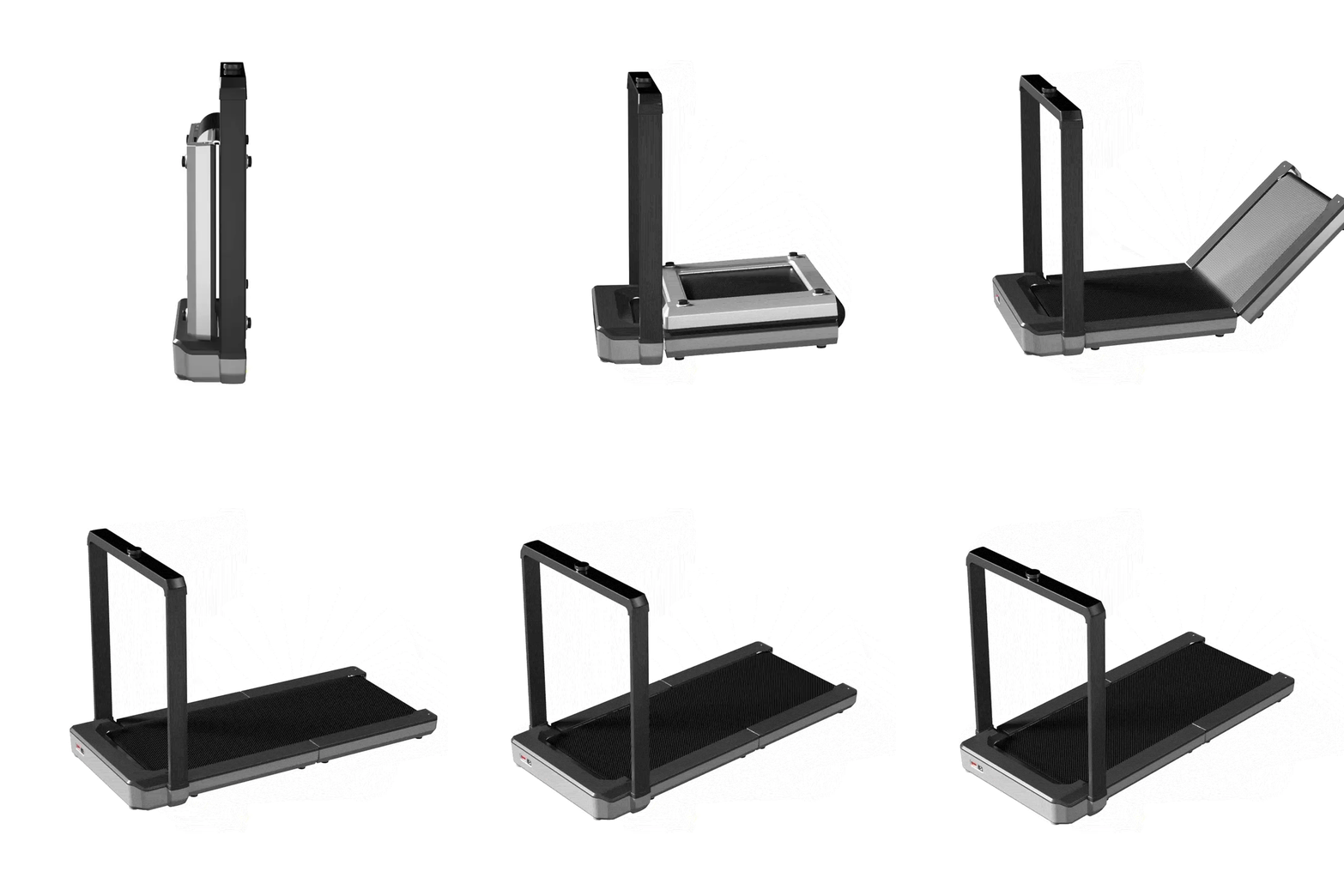
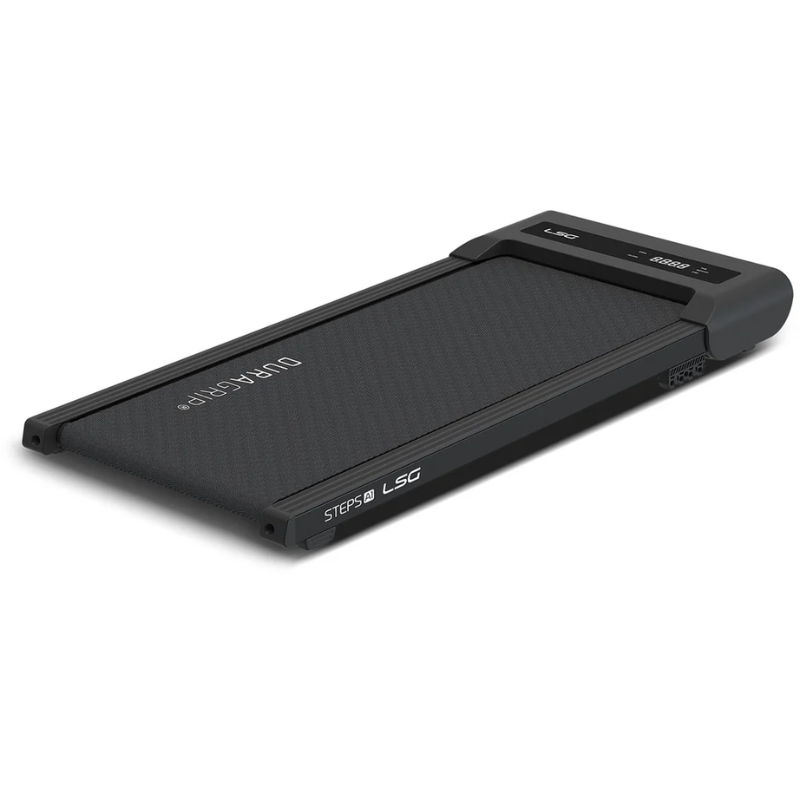
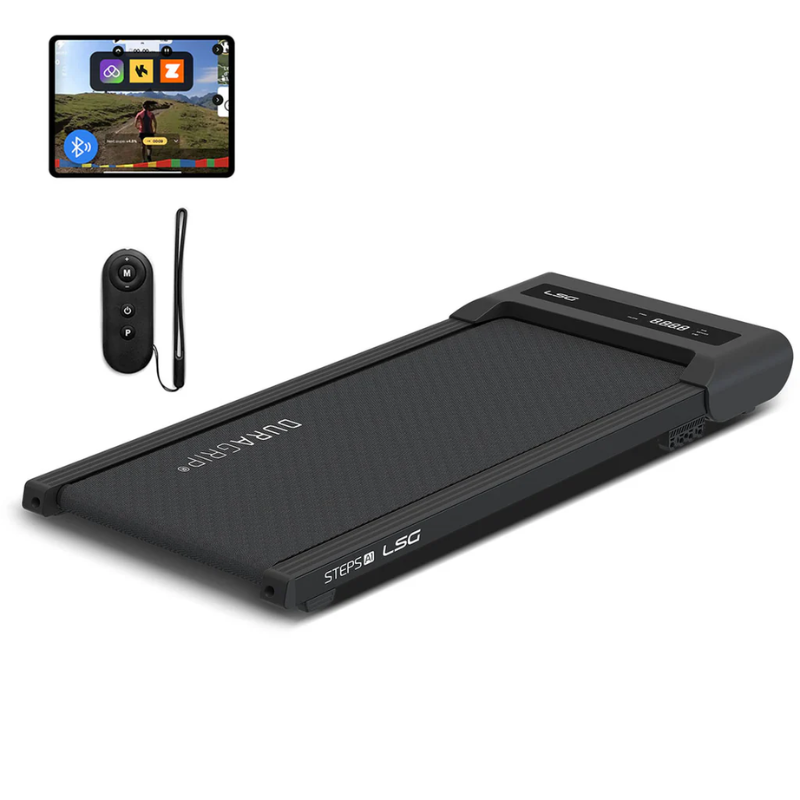
For someone working with limited floor space, a foldable walking pad or easily stored model may be especially useful. If you plan to walk while working, consider how comfortably the unit fits around your desk setup. Noise, walking-surface dimensions, controls and storage are also worth thinking about.
You may also see products described as a walking pad treadmill. The terminology varies, so look beyond the product name and consider how you intend to use it.
The best walking pad isn't necessarily the one with the longest feature list. It’s the one that fits your space, routine and preferred way of moving well enough that getting on it feels easier than talking yourself out of it.
Make 10 minutes your minimum, not your maximum
There’s another nice thing about starting small: you can always keep going.
You may step onto your walking pad intending to walk for 10 minutes and realise 20 feels good that day. Great.
You may do exactly 10 minutes because your next meeting starts immediately afterwards. Also great.
And sometimes you’ll do seven minutes because life happens.
The point of this habit is to stop measuring movement only by whether you completed a formal workout.
A spring routine that happens regularly is far more useful than an ambitious routine that only works when your calendar is unusually empty.
Your simple spring walking challenge
For the next week, look for one 10-minute window each day.
Don’t overhaul your calendar. Don’t create an elaborate training plan. Simply choose a repeatable moment: before work, between meetings, after lunch or after dinner.
When that feels automatic, add another walking break where it fits.
If getting outside is easy, enjoy the spring weather. If staying close to your desk or home makes you more likely to follow through, a walking pad can make those little pockets of movement much easier to use.
Because exercise doesn't only “count” when you've carved out an entire hour for it.
Sometimes a healthier routine starts with ten minutes, a little bit of floor space and deciding to walk now rather than waiting for the perfect time.
Ready to make daily movement easier?
Explore Elite Reformer's walking pad range and find an option that suits your home, workspace and daily routine. A simple 10-minute walk might be one of the easiest spring habits you keep long after the season changes.

Written by Elite Reformer