Reformer Pilates for Seniors: A Gentle Way to Build Strength and Confidence

As we get older, exercise is often less about pushing harder. It becomes more about moving well and staying strong. It also helps us feel more confident in everyday life.
That is where reformer Pilates for seniors can be appealing.
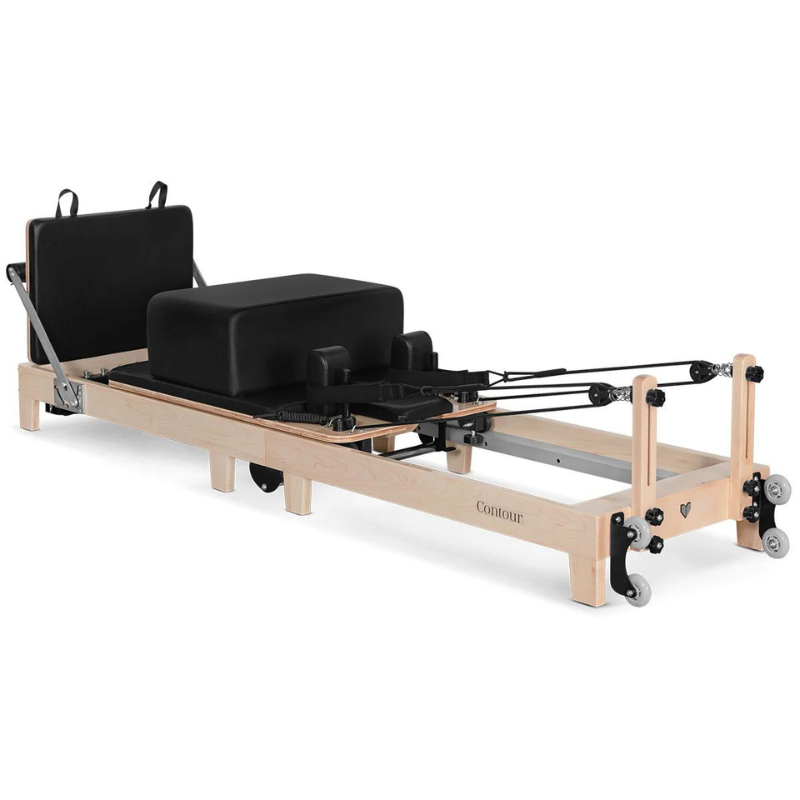
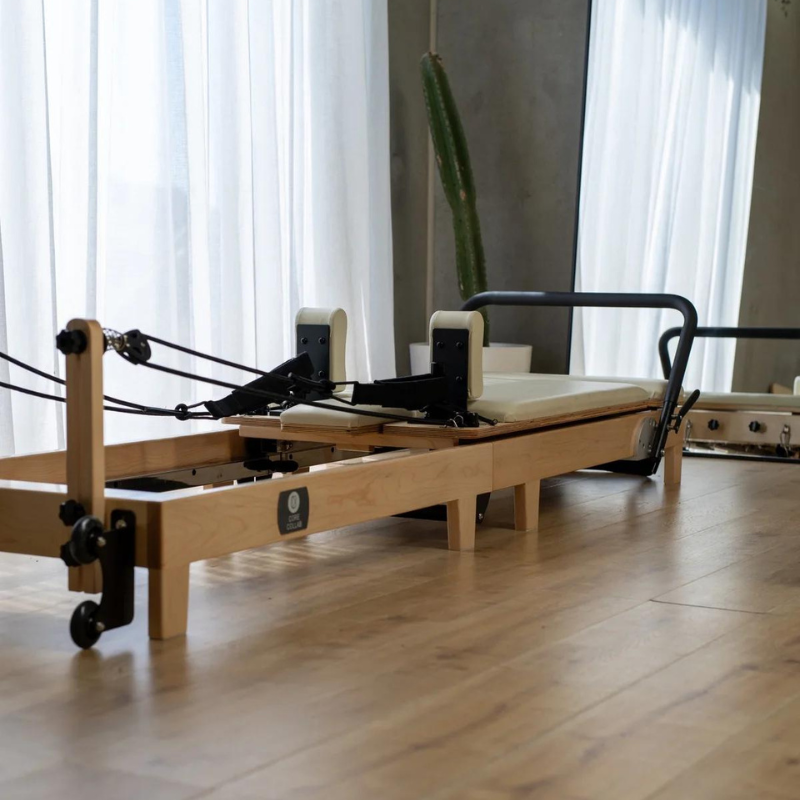
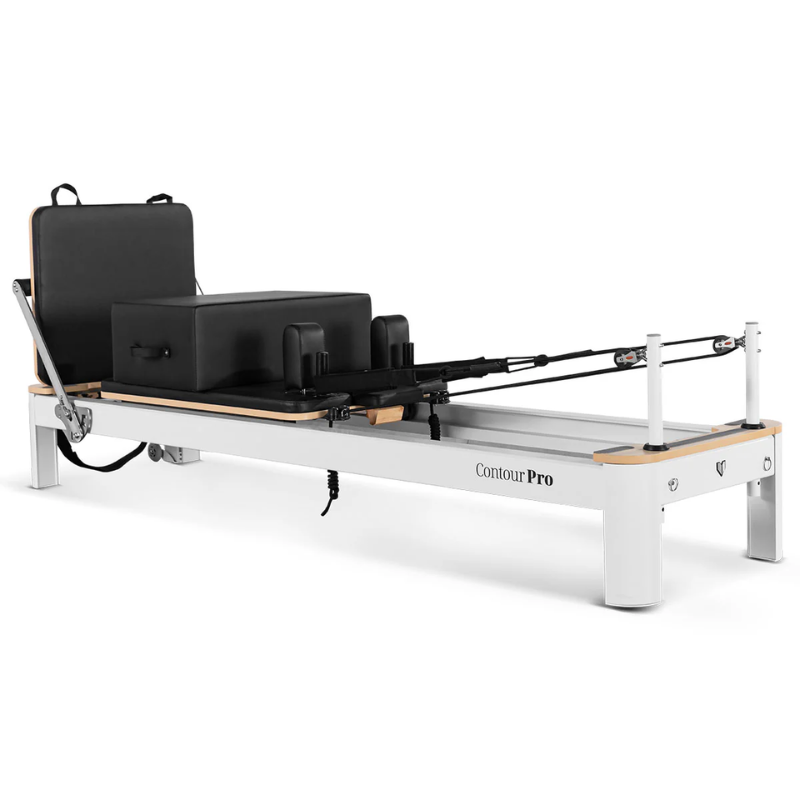
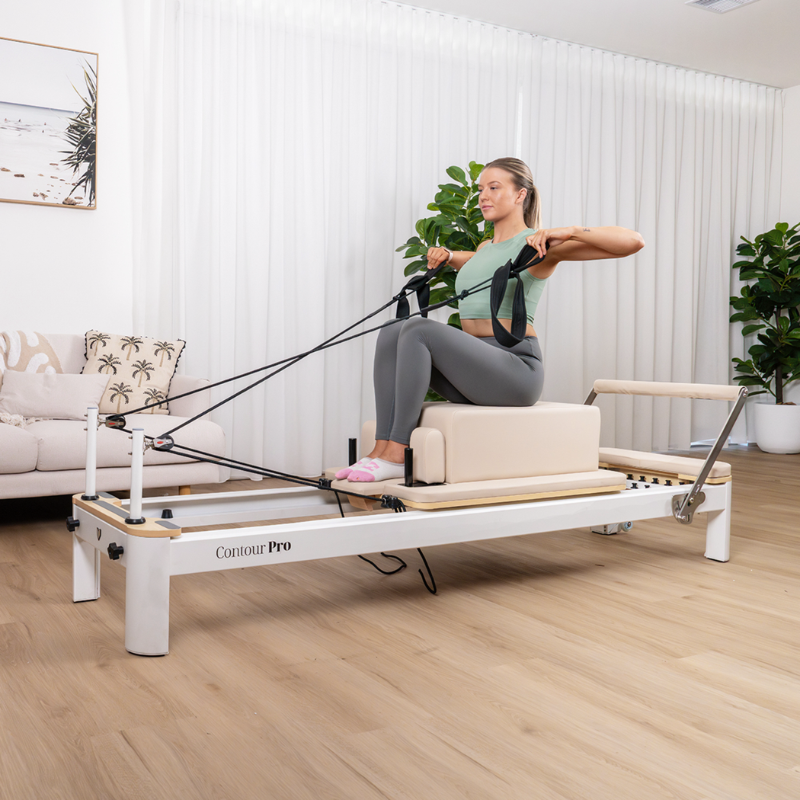
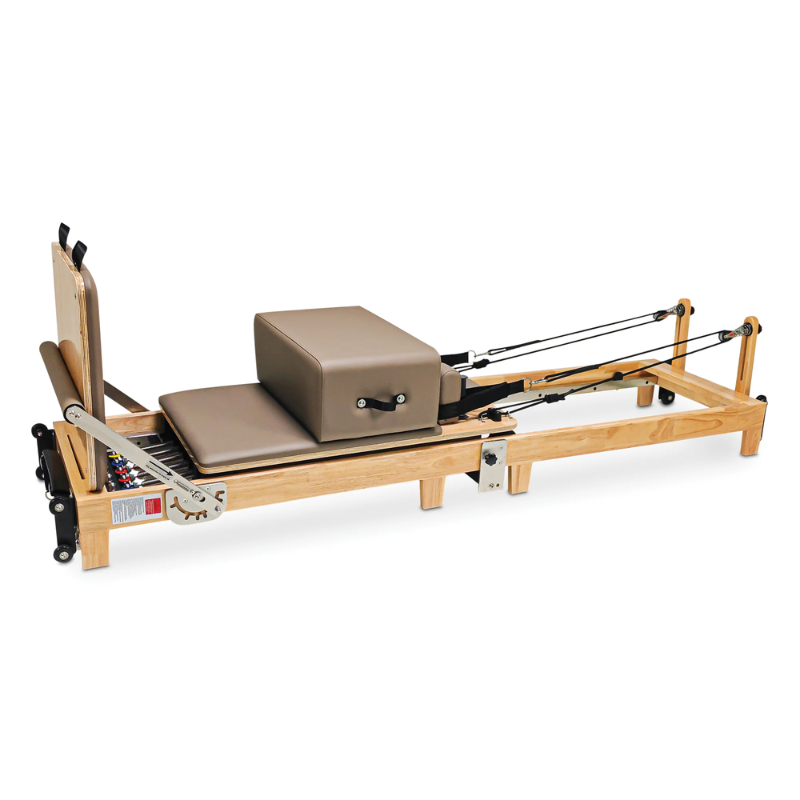
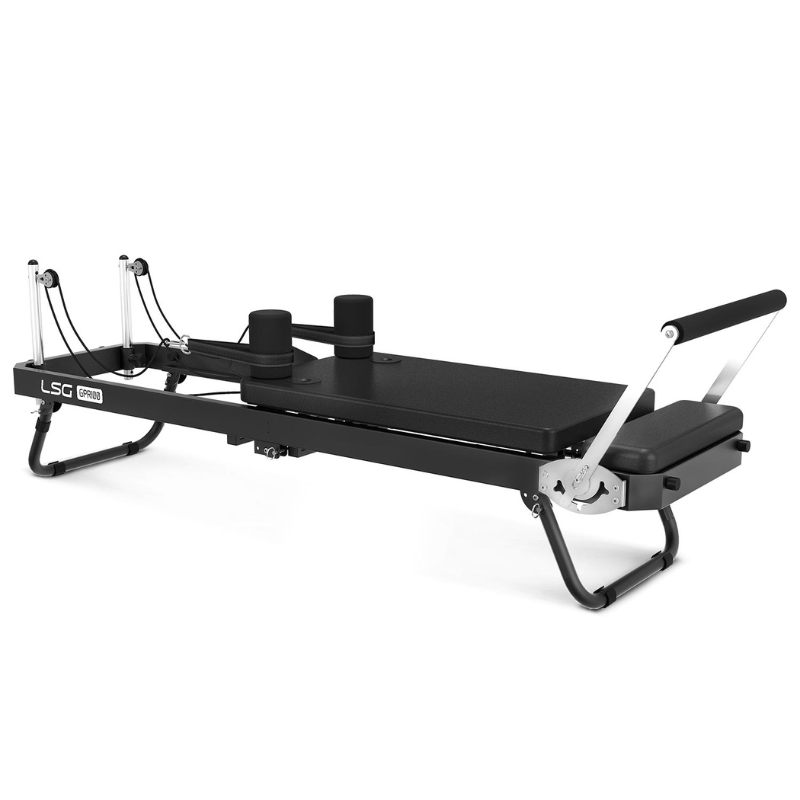
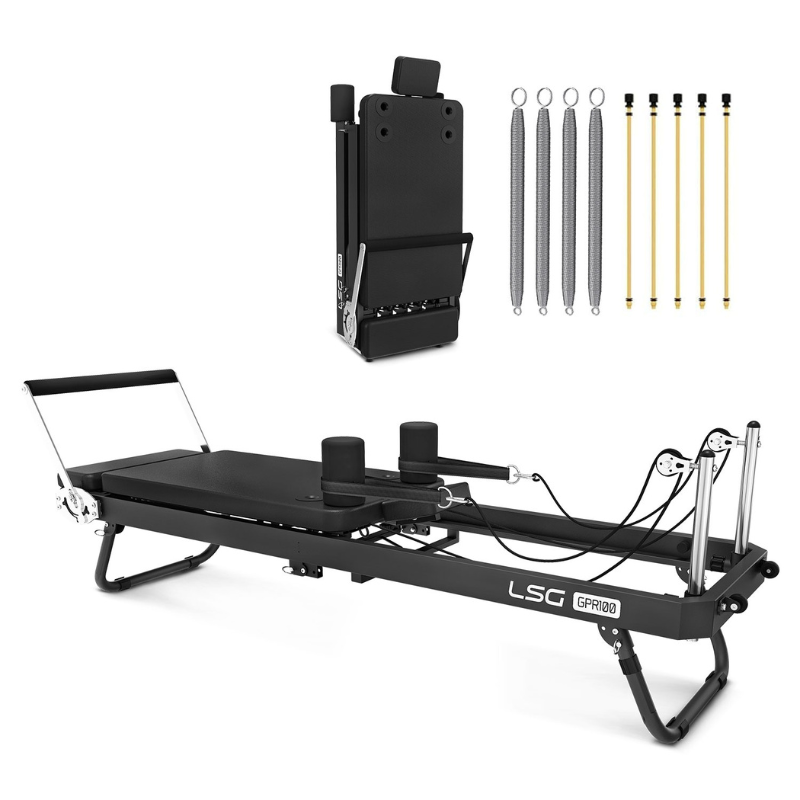
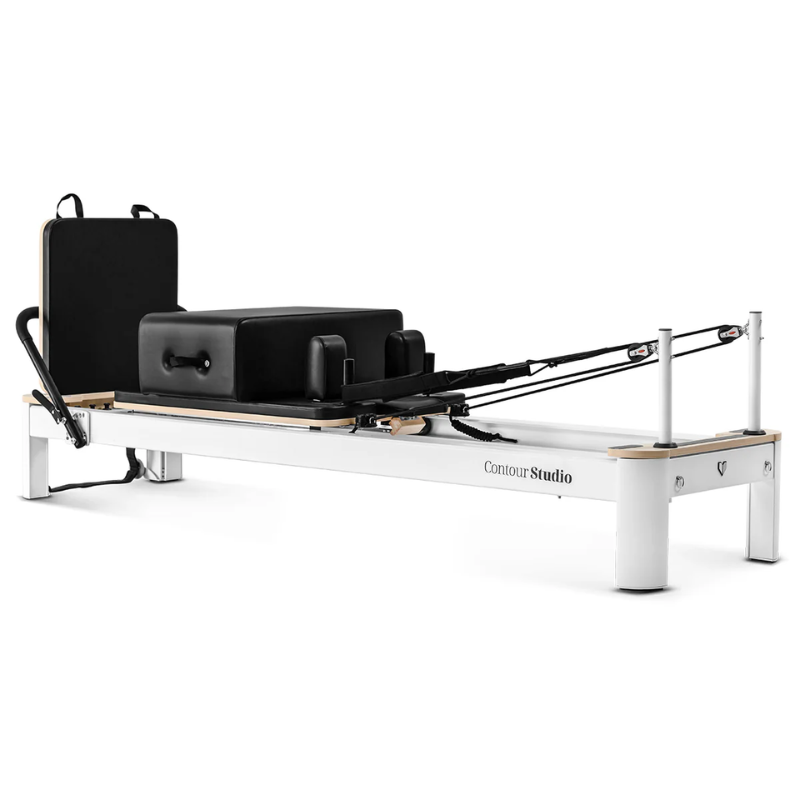
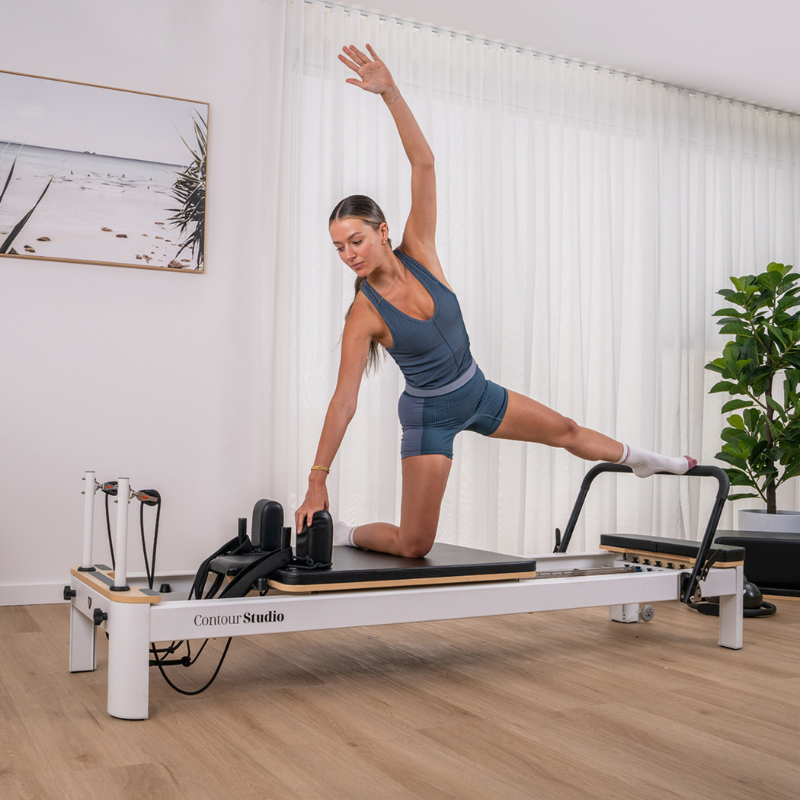
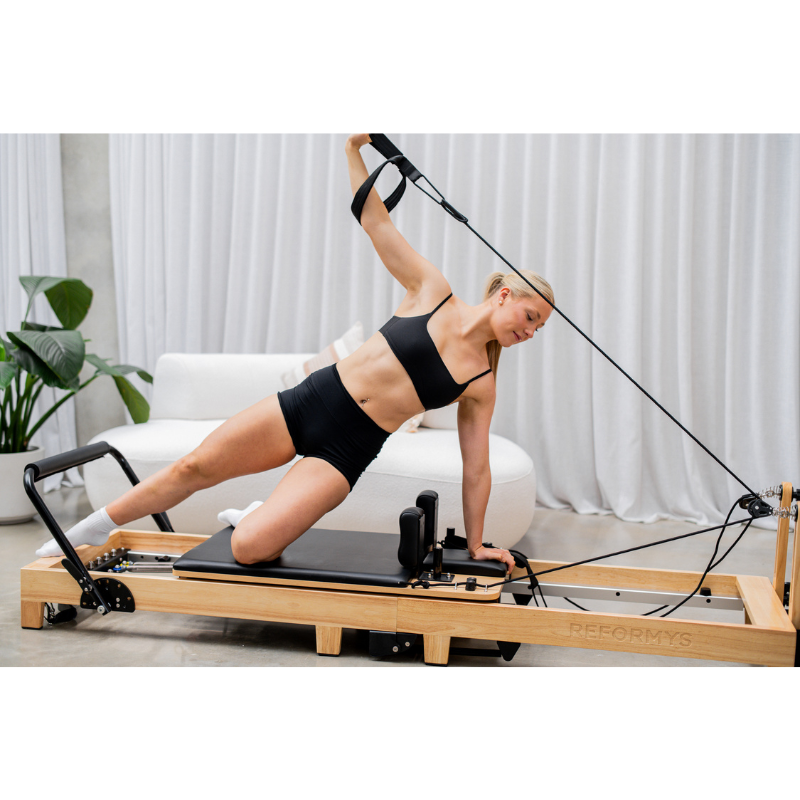
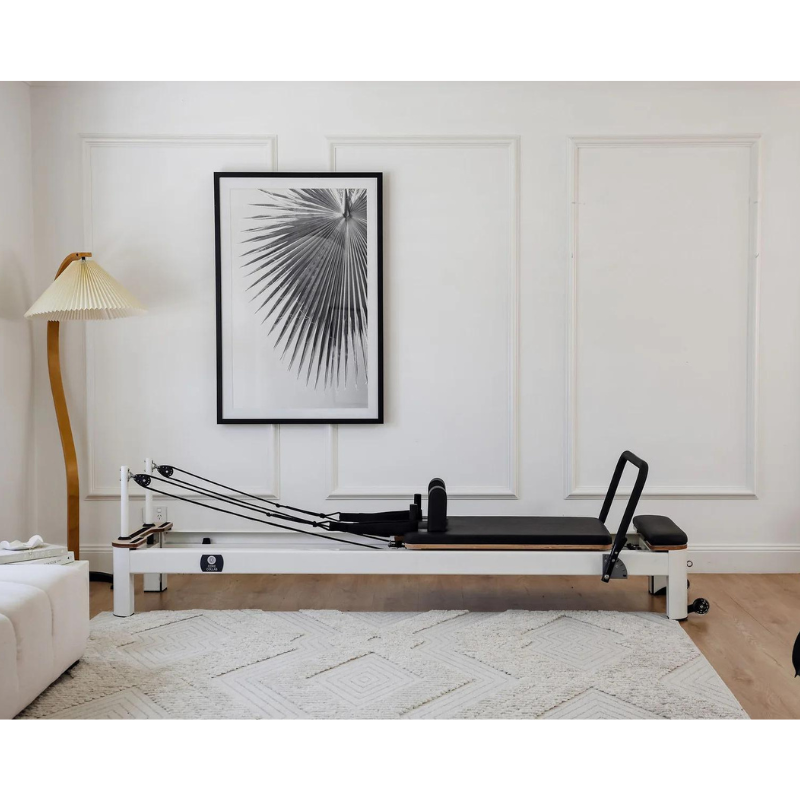
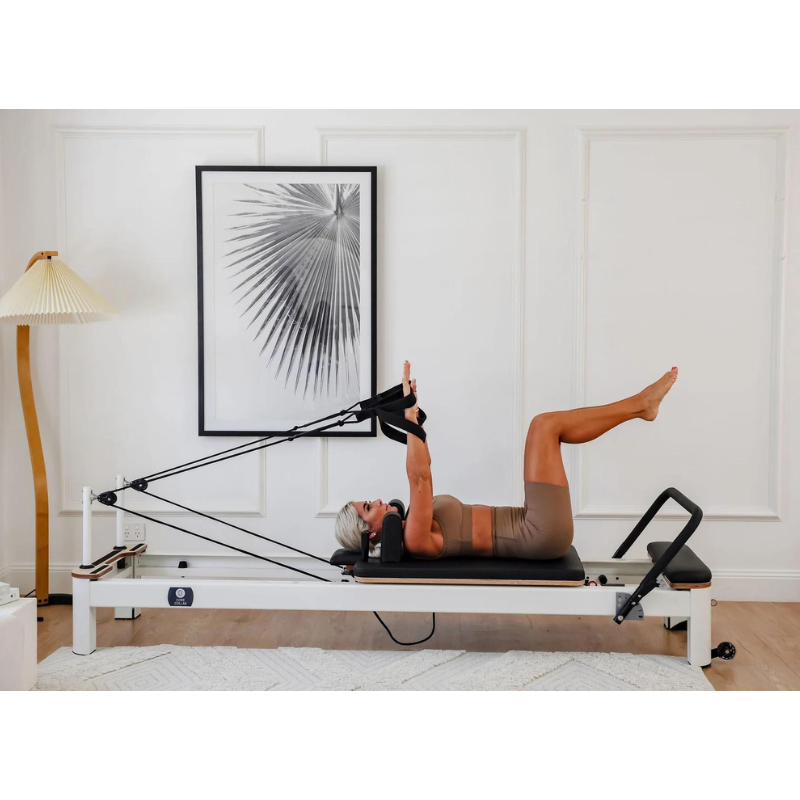
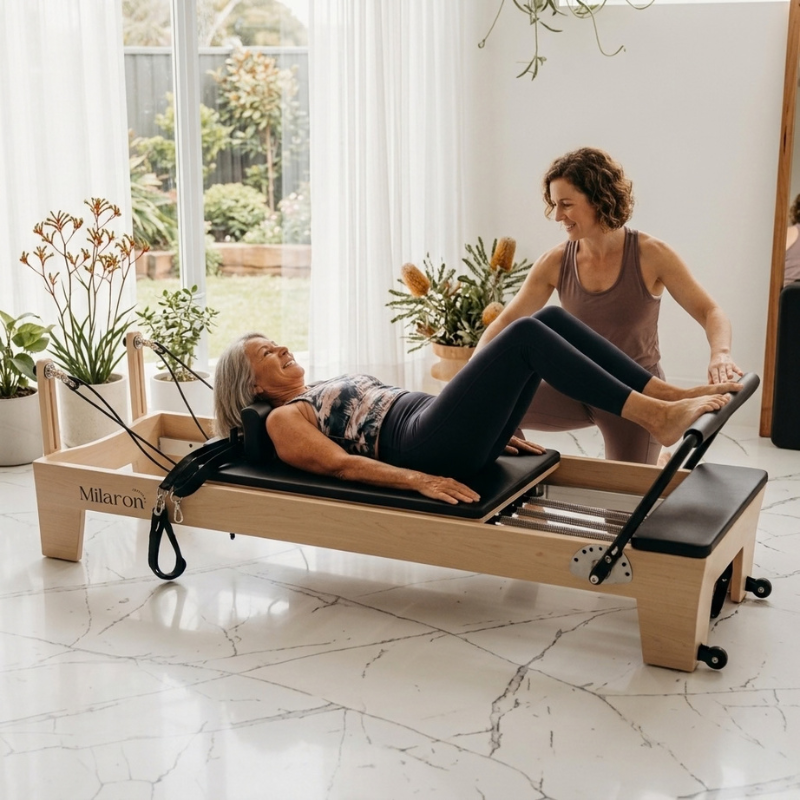
A Pilates reformer uses a sliding carriage, springs, straps and a footbar to create adjustable resistance. Exercises can be done lying down, seated, kneeling or standing. This makes the equipment very adaptable. It can suit a wide range of exercises and abilities.
Research in older adults is encouraging too. Research involving 897 participants found that Pilates may improve physical and functional outcomes.
If the reformer is completely new to you, start with our guide to reformer Pilates for beginners. It explains the springs, carriage and basic setup in more detail.
Why reformer Pilates can work well for seniors
One of the biggest advantages of reformer Pilates is that it can be adjusted to suit the person using it.
The springs can make an exercise easier or more challenging. Movements can also be modified to suit different abilities. Beginners can start with simple positions and progress over time.
It can support strength
Australian Government guidelines recommend regular strength training for adults aged 65 and over. Muscle-strengthening activities should be done on at least two days each week. They also recommend activities targeting balance, mobility and coordination on three or more days.
Reformer exercises can work many areas of the body. These include the legs, glutes, core, back, shoulders and arms. The spring resistance can be adjusted to suit different exercises and abilities.
It can challenge balance and coordination
Balance becomes increasingly important with age.
Research suggests Pilates may improve some measures of static and dynamic balance in older adults. And it was found that Pilates may improve several measures of balance. However, there was not enough evidence to show that it reduces falls.
It is low impact
Pilates is generally considered a low-impact form of exercise. It can be adapted for different abilities and performed using either a mat or equipment such as a reformer.
Low impact does not necessarily mean easy. Slow, controlled reformer exercises can still provide a meaningful muscular challenge.
Is reformer Pilates safe for seniors?
For many older adults, reformer Pilates can be suitable when exercises are chosen appropriately.
A beginner in their seventies doesn't need the same program as someone who has been practising Pilates for years. Resistance, range of movement and exercise difficulty should reflect your current ability.
People who have been mostly inactive should speak with their doctor before starting a new exercise program. The same applies to anyone with a medical condition. It's also advised to start slowly and gradually building activity.
And don't worry if the machine feels like a lot to remember initially. Spring settings, foot positions and carriage control usually become more familiar with practice. Our article on what gets easier when you're learning reformer Pilates walks through that learning curve.
If you have osteoporosis, balance problems, a recent surgery, an injury or ongoing joint pain, it’s best to get personalised advice first. Speak with a doctor, physiotherapist or suitably qualified exercise professional before getting started.
Can you start reformer Pilates in your 60s, 70s or 80s?
Yes! Age alone doesn't determine whether Pilates is suitable.
Two people who are both 75 can have very different levels of strength, balance and mobility. Your current physical ability matters more than the number on your birthday.
Your first session may simply focus on getting familiar with the reformer. You might learn how the carriage and springs work and practise getting on and off safely. You can also start with a few basic exercises.
There is no need to rush.
Beginner reformer Pilates exercises for seniors
A beginner session might include:
- Footwork: Pressing the carriage away using the footbar while lying down.
- Gentle arm exercises: Using light spring resistance to work the arms and upper back.
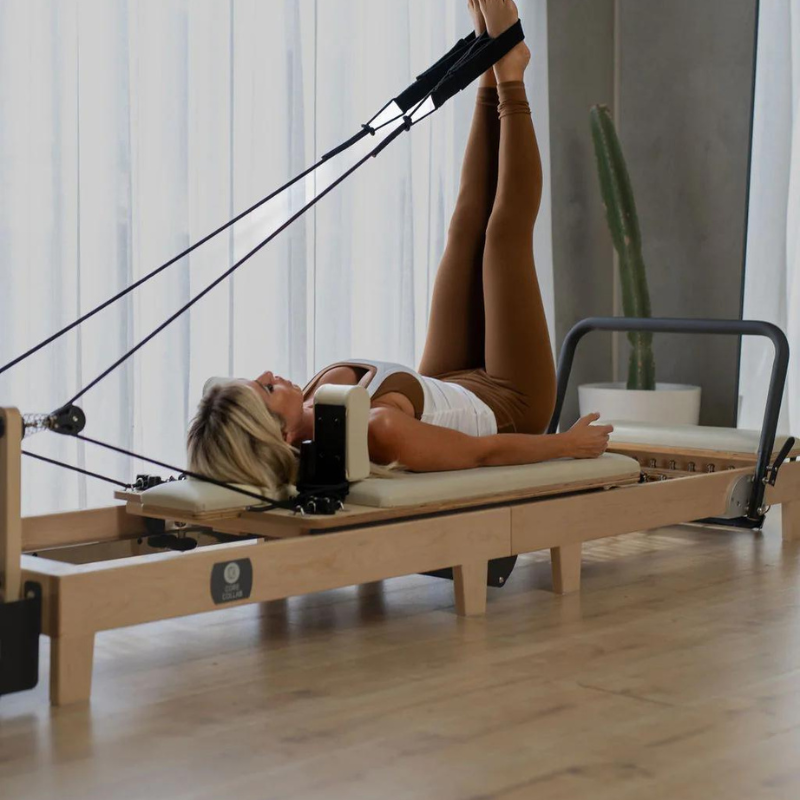
- Supported leg movements: Using straps to guide controlled hip and leg movement.
- Seated exercises: Useful for upper-body strength and postural control.
- Simple balance work: Added gradually as confidence and control improve.
The goal is not to perform the most advanced exercise. It is to move with control and choose movements that suit your body.
Reformer Pilates for seniors with osteoporosis
People with osteoporosis might still be able to do Pilates. However, some movements may need to be modified to make them more suitable.
The Royal Osteoporosis Society recommends caution with some spinal movements. Exercises that involve excessive or loaded bending of the spine may need to be adapted.
It is also worth noting that Pilates should not be marketed as a proven way to increase bone density. An Australian Government evidence review looked at Pilates for people with osteoporosis. It found the evidence for improving bone mineral density was very uncertain.
If you have osteoporosis or a history of fractures, professional guidance is especially important.
Choosing a Pilates reformer for seniors at home
If you are looking for a Pilates reformer for seniors, focus on usability rather than simply choosing the machine with the most features.
Look for:
- A stable frame that feels secure when getting on and off.
- A comfortable carriage with smooth movement and supportive padding.
- Easy spring adjustment so resistance can be changed between exercises.
- A practical carriage height, especially if getting close to the floor is difficult.
- An adjustable footbar to suit different exercises and body positions.
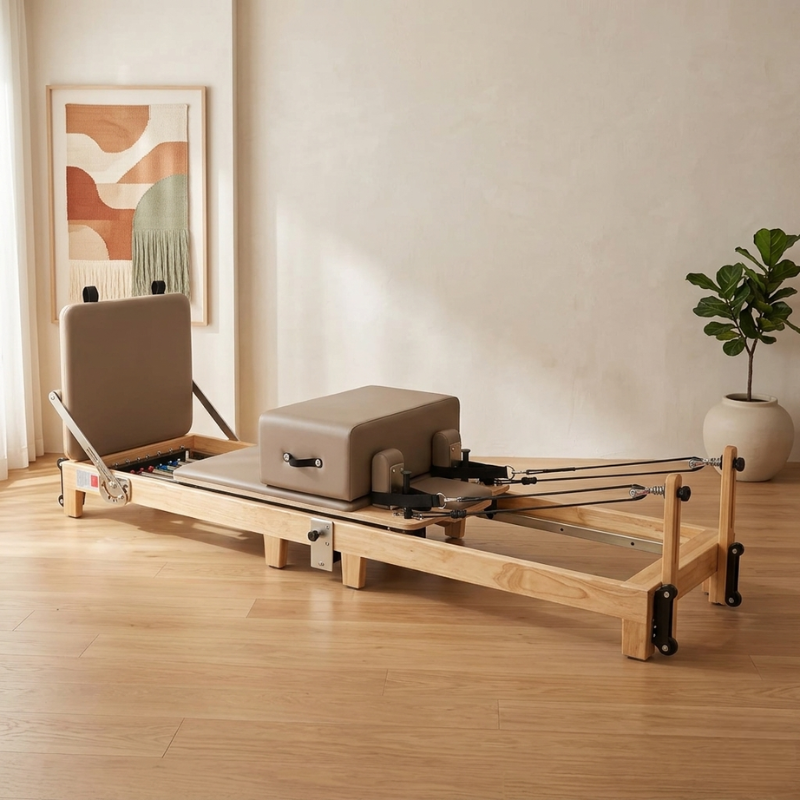
- Enough room around the reformer for safe access and movement.
For some older users, a slightly higher carriage might be easier to get onto and off than one positioned close to floor level.
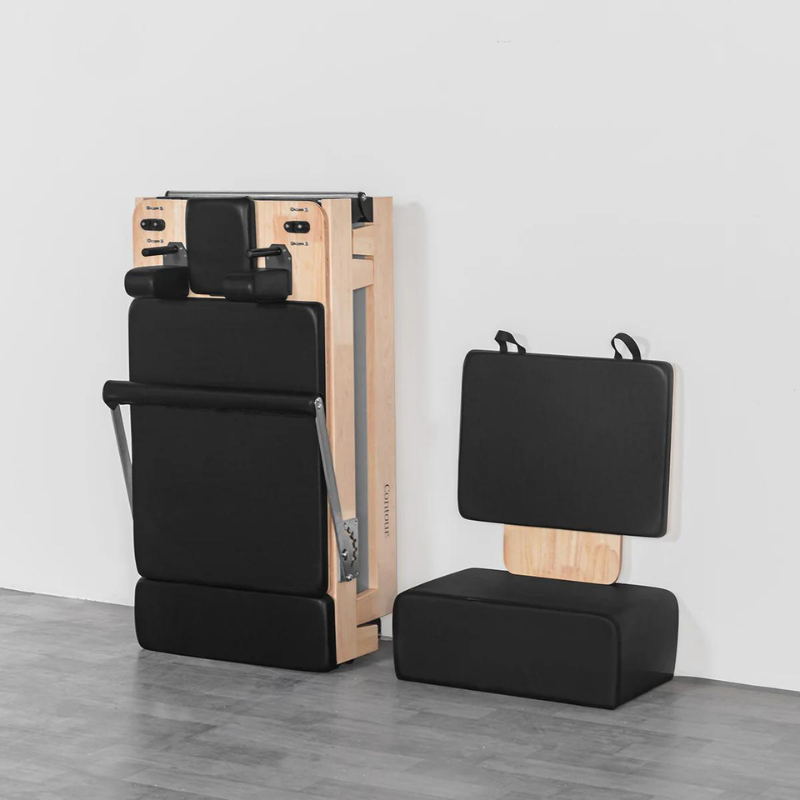
If you’re comparing reformers, our ultimate guide to buying a Pilates reformer for home can help. It covers carriage size, springs, footbars, storage and other features to check before you buy.
Planning where the reformer will live is just as important. Our guide to setting up a Pilates reformer studio at home can help with room size and layout.
How often should seniors do reformer Pilates?
There is no perfect schedule for everyone.
Someone new to reformer Pilates might start with one or two sessions a week and slowly build from there.
Pilates can be combined with other forms of exercise. This might include walking, swimming, resistance training, gardening or other activities you enjoy.
For a deeper look at frequency and recovery, see our guide on how often you should do reformer Pilates.
Australian guidelines recommend a mix of different activities for adults aged 65 and over. This includes aerobic exercise and strength training. Balance, mobility and coordination activities are also encouraged.
Consistency matters more than trying to do too much too soon.
Frequently asked questions
Is reformer Pilates good for seniors?
It can be a suitable exercise option for many older adults because resistance and exercises can be modified. Research suggests that Pilates might improve physical function and balance. However, the results vary between studies.
Is 70 too old to start reformer Pilates?
No. Your health, mobility and exercise experience are more important than age alone. Beginners should start slowly and use appropriate exercises.
Is reformer Pilates better than mat Pilates for seniors?
Not necessarily. A reformer uses adjustable resistance and has a raised carriage. Mat Pilates mainly relies on body weight and gravity. Some seniors may find the reformer more comfortable, while others prefer mat work.
Can reformer Pilates help with balance?
Pilates may improve some measures of balance in older adults, but it should not be presented as a guaranteed way to prevent falls.
Reformer Pilates for seniors: A flexible way to keep moving
Reformer Pilates can be a practical option for seniors. It can help build strength, balance, mobility and confidence in movement. It also offers a lower-impact way to exercise.
The biggest advantage is adaptability. Exercises can start simply and progress as your confidence and ability improve.
If you are choosing a Pilates reformer for a senior to use at home, focus on the basics. Look for good stability, comfort, adjustability and easy access. The best reformer is one that suits your body, your space and the way you actually plan to exercise.
Ready to explore your options? Browse the Elite Reformer range to compare reformers for different home spaces and training needs.
---
This article provides general information only and is not a substitute for personalised medical or exercise advice. If you have a health condition, osteoporosis, an injury or concerns about starting a new exercise routine, speak with an appropriately qualified health professional.

Written by Elite Reformer