The Reformer Learning Curve: What Gets Easier First & What Doesn't

If your first few reformer classes left you feeling a bit frazzled, you're in good company. Most people expect Pilates reformer sessions to feel calm and gentle from the start. Then the springs click into place, the carriage slides further than you braced for, and suddenly there's a lot going on at once - foot position, spring tension, breath, timing. That early overwhelm is completely normal. Reformer equipment adds moving parts and resistance to exercises that already ask for control, so it simply takes a little longer to feel steady.
Knowing what tends to click early and what needs more time makes that first stretch of classes much easier to enjoy.
What gets easier first
Some parts of reformer Pilates click faster than you'd expect. These are usually the mechanical bits, or the kind of thing your body picks up simply by doing it a few times.
Remembering spring settings
Spring settings can feel like a small puzzle at first, such as which colour, how many springs, lighter for control or heavier for stability. It's a common part of getting used to Pilates reformer equipment in those early weeks, especially if you're moving between exercises that call for different resistance within the same class. The good news is this part sorts itself out fast. After a handful of classes, most people find their usual settings without a second thought, and swapping springs between exercises starts to feel like a small, automatic step rather than something to stop and think about.
Foot and hand positions
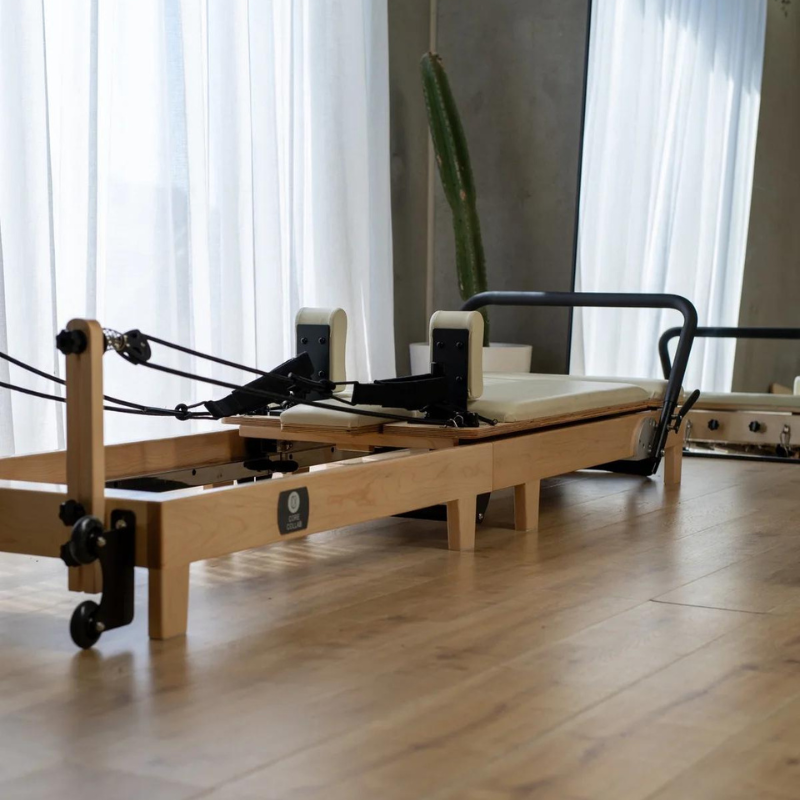
Reformer classes come with their own vocabulary: footbar, straps, headrest, shoulder blocks. Learning where your hands and feet belong for each movement takes a little early repetition, but it's mostly muscle memory, and muscle memory builds quickly once you're practising regularly.
Getting on and off the carriage safely
Those new to reformers can be a little cautious the first time they step onto a moving carriage, and that's completely fair. This hesitation usually fades within a few sessions, freeing up your attention for the exercise itself.
What takes a little longer
Once the basics of setup and movement feel familiar, a different kind of challenge shows up. It’s one that's less about remembering steps and more about training your body to move with control.
Coordination between breath and movement
Pairing breath with movement is one of the trickier skills. A Pilates reformer asks breath to support and time each movement, not just accompany it. This tends to build gradually, often over months rather than weeks. Give yourself grace here, as it's genuinely one of the harder things to learn.
Controlling the carriage instead of muscling it
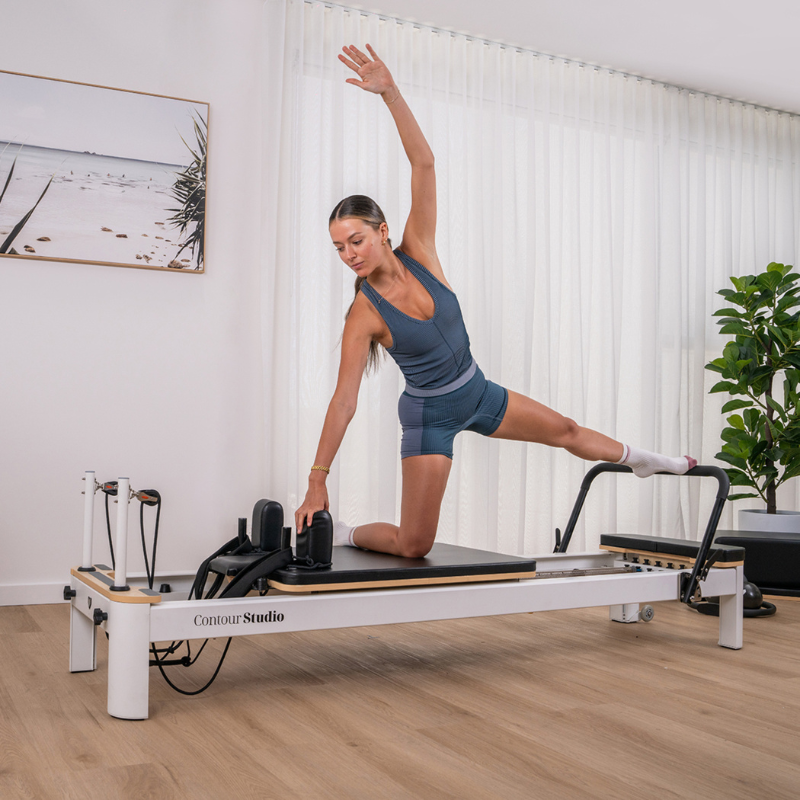
Those just starting out on reformers often try to power through exercises using strength alone, which works against the reformer's design. The equipment is built to reward control, requiring slow and even carriage movement rather than fast or forceful motion. Learning to resist the spring smoothly, instead of letting it snap back, is usually the last piece to fall into place.
Why some advanced exercises can feel easier than the basics
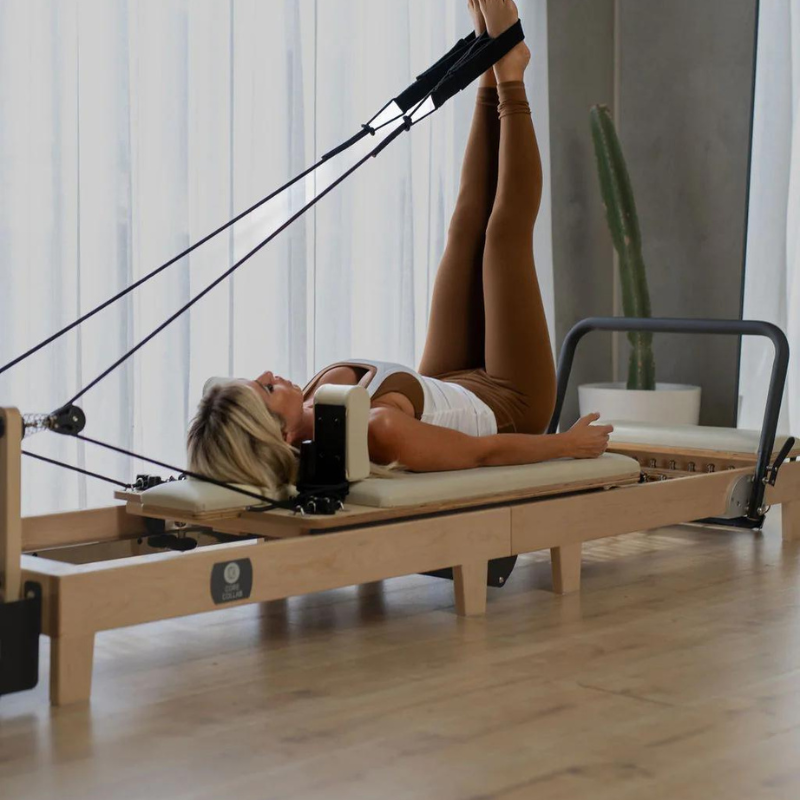
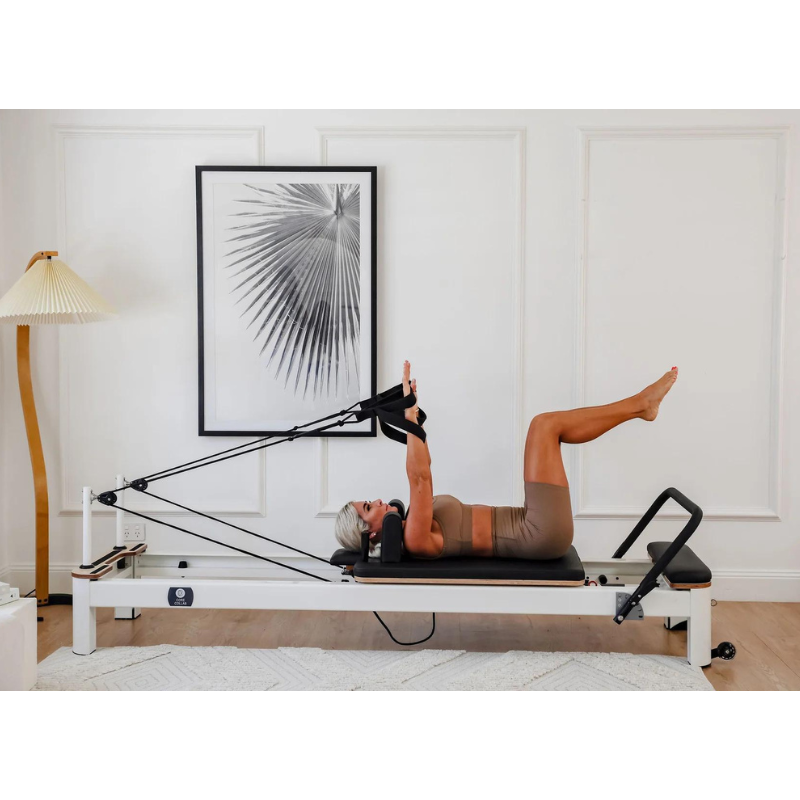
Exercises that look complicated can start to feel more approachable as your coordination builds, while simple and familiar movements like the hundred or footwork can still feel like hard work on a Pilates reformer. That's not a sign you're doing anything wrong. Basic exercises often stay challenging because they're repetitive or isometric, asking your muscles to hold steady tension rather than move through one dynamic action.
Making the learning curve a little smoother
A few things tend to help along the way:
- Sticking with a smaller set of familiar exercises before adding variety
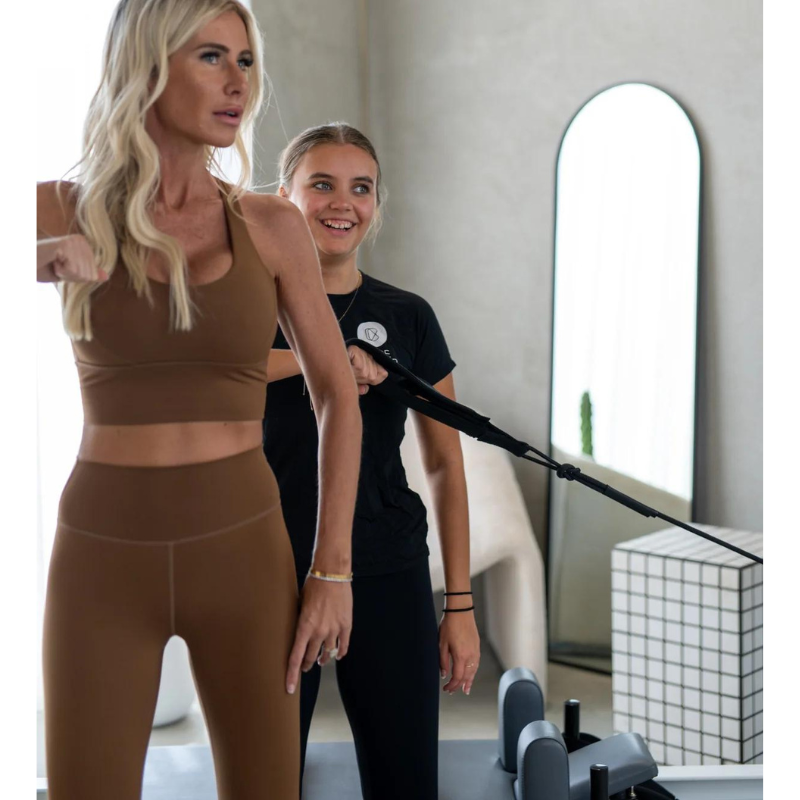
- Asking your instructor why a position matters, not just how to do it
- Practising a slow, controlled carriage return before chasing advanced movements
- Giving yourself credit for a strong hundred or footwork set, even when it doesn't feel as impressive as something flashier
Progress on a reformer rarely moves in a straight line. Some skills click within a session or two, while others take months of steady practice to feel natural. That unevenness is simply part of how the equipment works, not a sign you're falling behind.
Building confidence with the right equipment
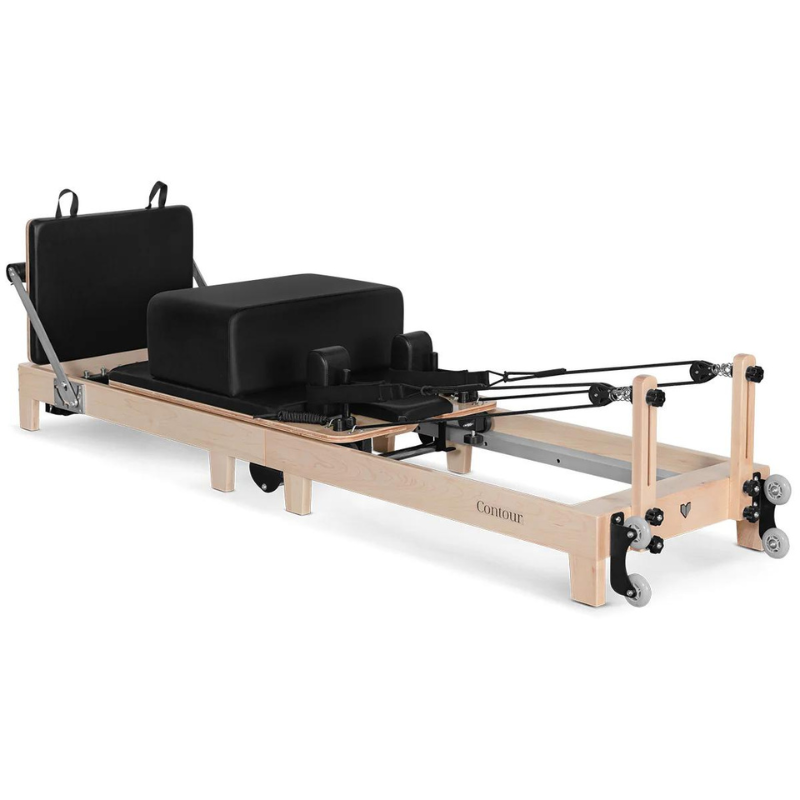
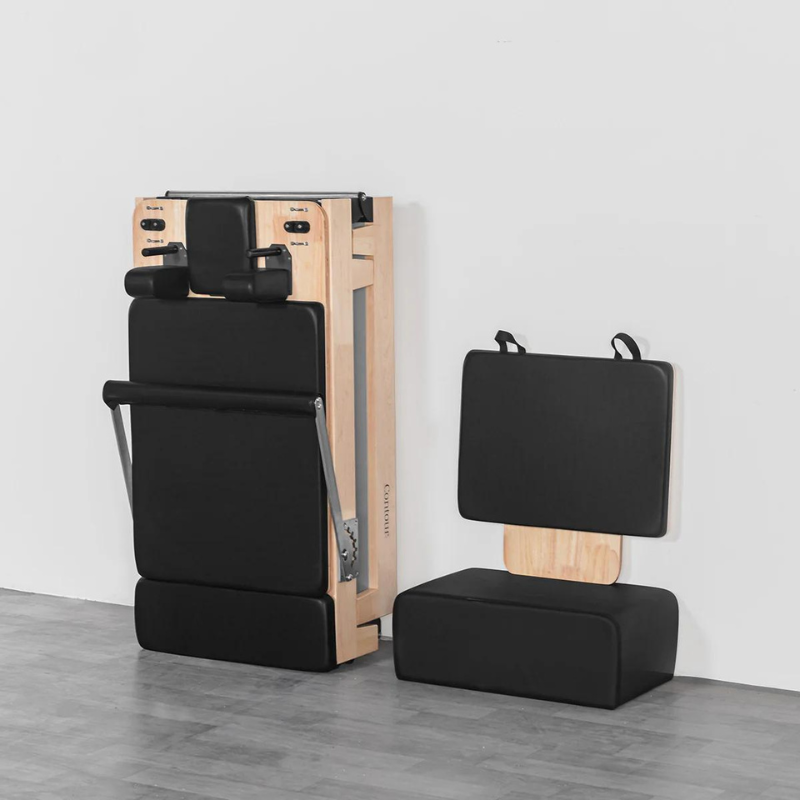
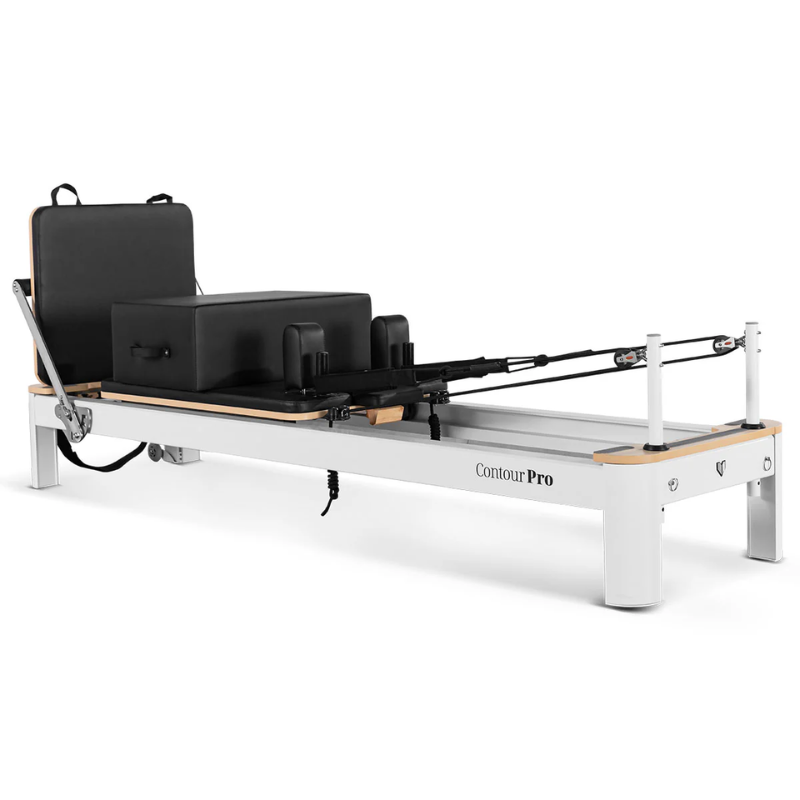
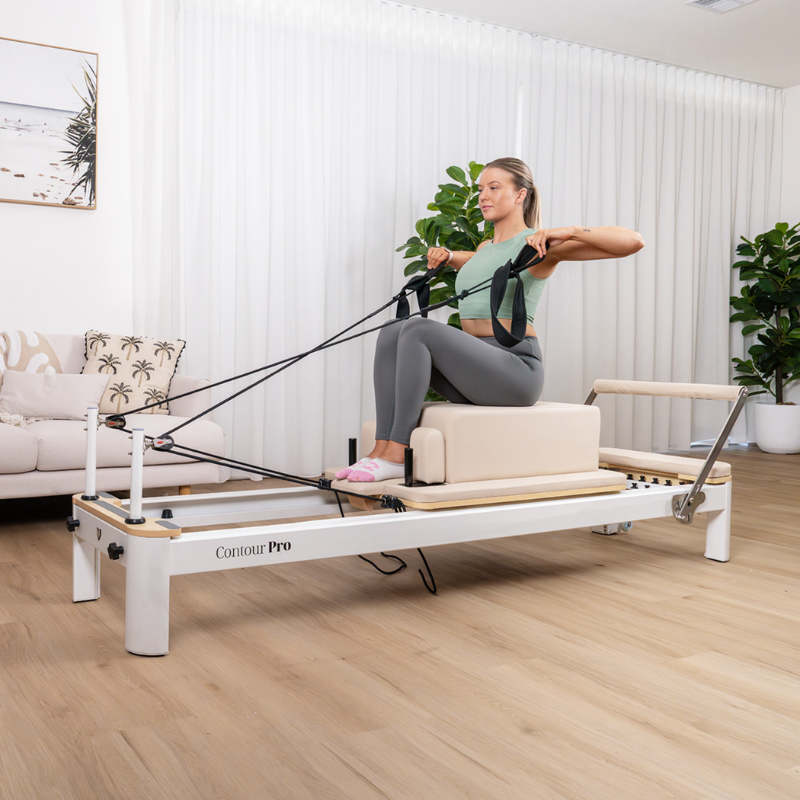
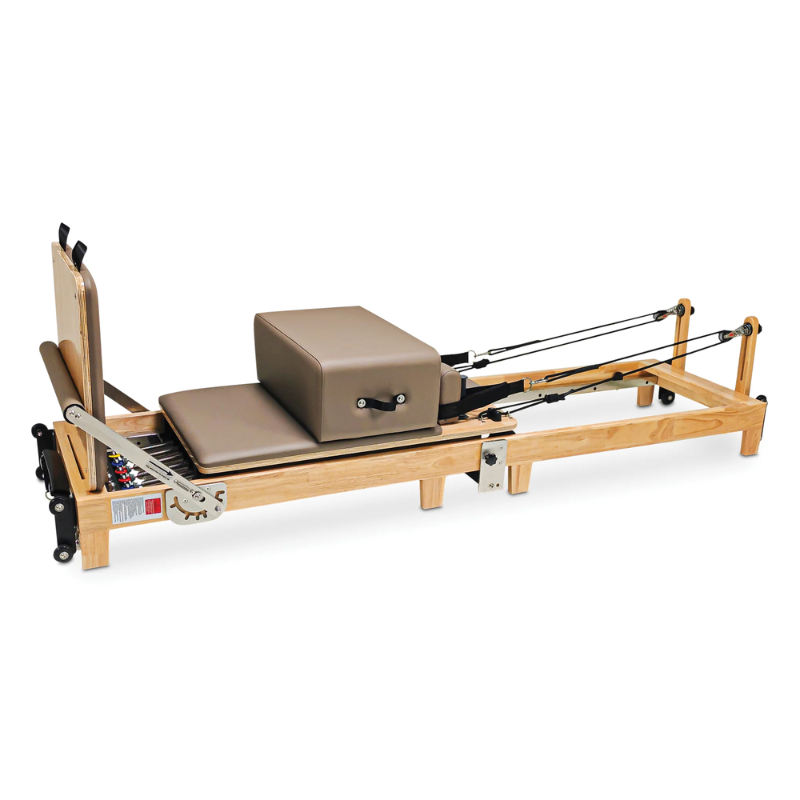
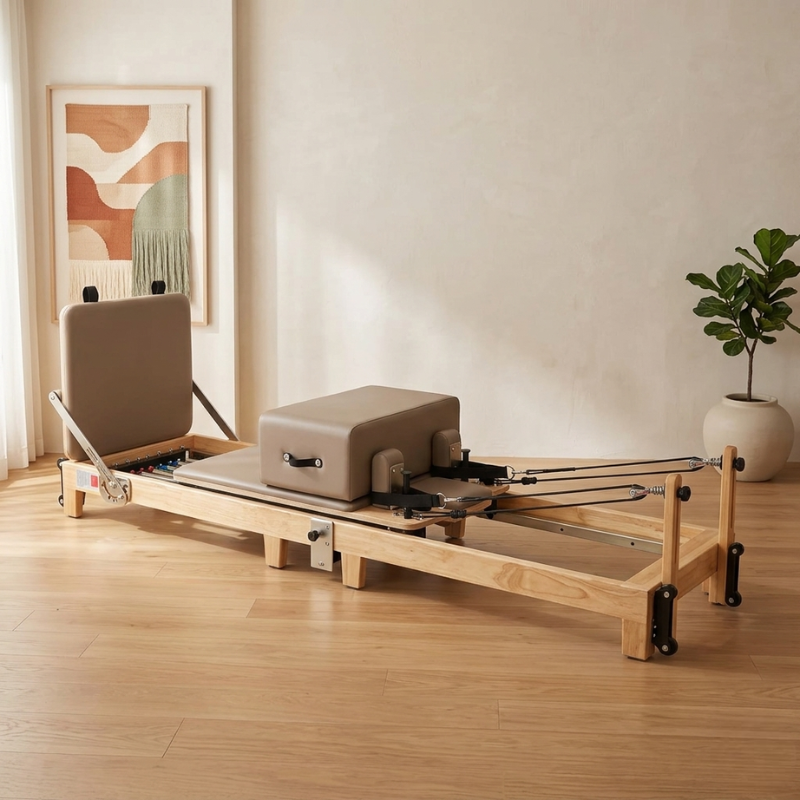
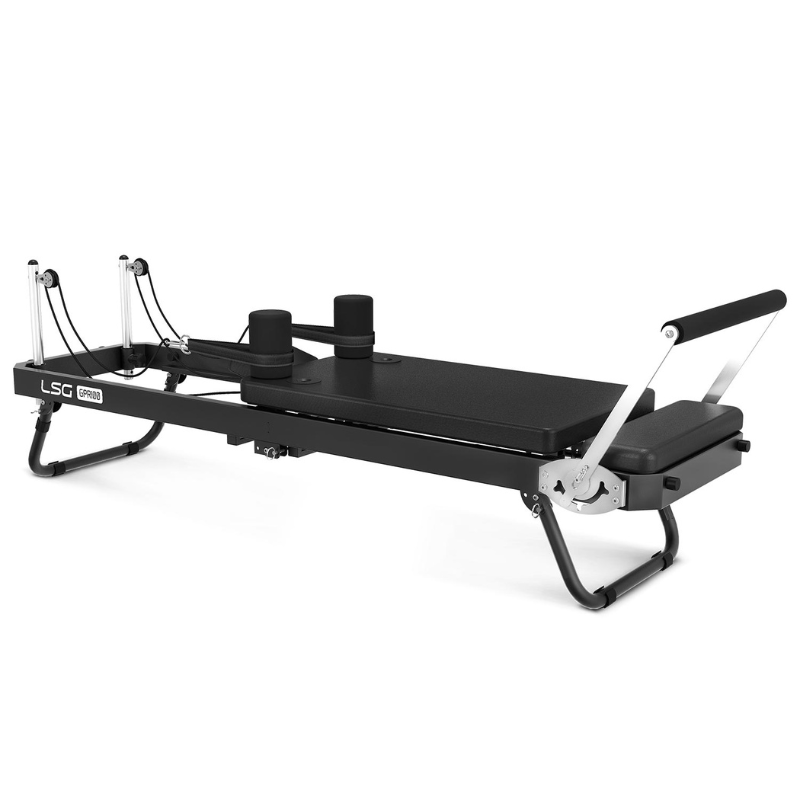
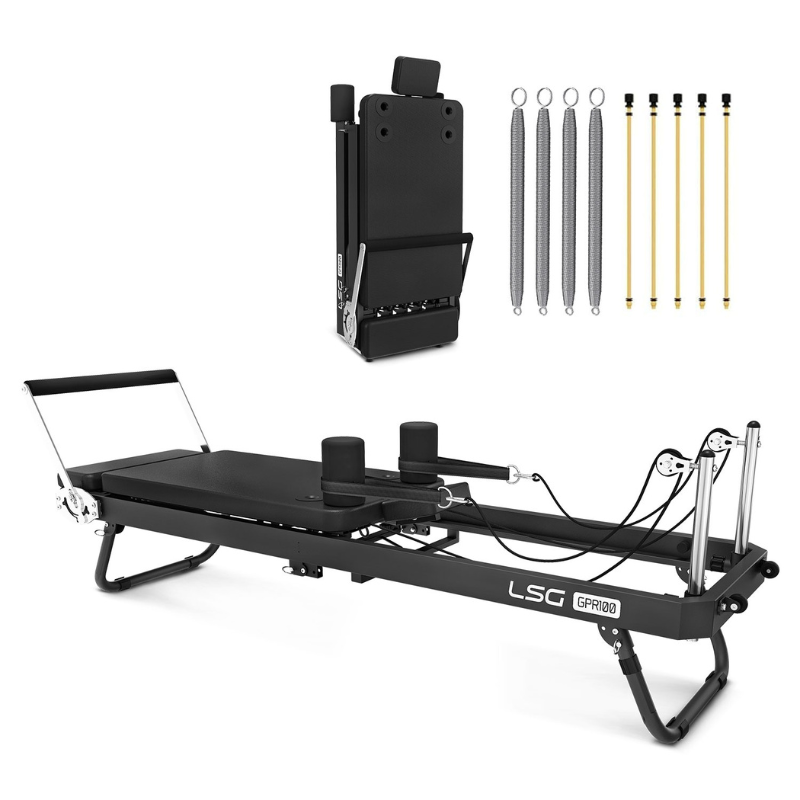
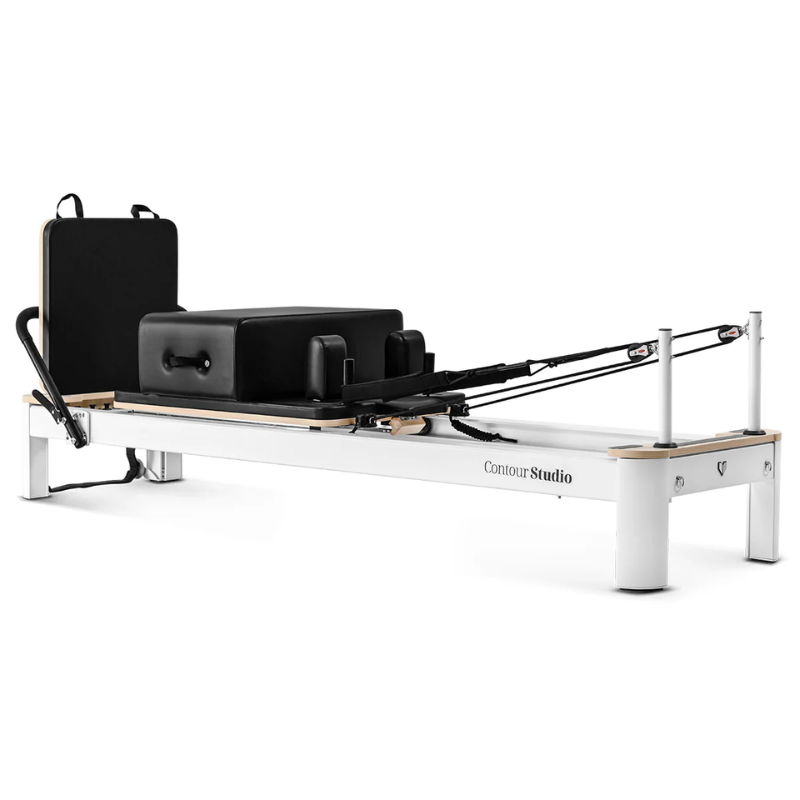
The right setup makes this learning curve feel far more manageable, whether you're practising in a studio or setting up a home practice. Elite Reformer stocks Pilates reformers in Australia for home use, studios and clinics alike, including foldable options for smaller spaces.
Our team is always happy to help you find Pilates equipment for home use that fits your experience level and space, so the fundamentals have room to settle before you take on the more complex work. Find more guidance like this on our blog, or get in touch directly if you'd like a hand choosing the right reformer.

Written by Elite Reformer