Pilates Reformer vs Weightlifting - Can the 3-2-1 Method Give You the Best of Both?
Pilates or weightlifting?
It's often presented as an either-or decision. You can focus on slow, controlled Pilates movements. Or choose heavier weights and traditional strength training.
But the '3-2-1' workout method offers another option.
This simple weekly structure combines:
- 3x strength-training sessions
- 2x Pilates sessions
- 1x cardio session
- 1x rest day.
Rather than asking one type of exercise to do everything, the 3-2-1 approach gives each training style a different role.
Weightlifting helps you progressively challenge your muscles. Pilates develops control, balance and muscular endurance. Cardio supports aerobic fitness.
Are you considering a Pilates reformer machine? Then this method provides a practical way to combine reformer workouts with strength training. So you don't have to choose between them.

What Is the 3-2-1 workout method?
The 3-2-1 method is a weekly fitness framework rather than a specific exercise program.
You choose three strength workouts, two Pilates sessions and one form of cardio. The seventh day is used for rest or gentle everyday movement.
Your week might include:
- Dumbbell or barbell workouts
- Bodyweight resistance training
- Sessions on a reformer Pilates machine
- Brisk walking, cycling, running or swimming
- Mobility work and recovery.
The appeal is its simplicity.
You don't need to follow the same workout videos or exercises every week. You only need to include the three main training categories.
This gives you enough structure to plan your routine. You can also leave room to adjust it around your fitness level, goals and schedule.
Pilates vs weightlifting: What is the difference?
Pilates and weightlifting can both challenge your muscles. But they usually place emphasis on different physical qualities.
Understanding those differences can help you see why the two activities work well together.
What weightlifting does well
Weightlifting involves working against resistance from dumbbells, barbells, kettlebells, cables, gym machines or other equipment.
A well-planned resistance-training program can help improve muscular strength. It can also help develop your power, endurance and muscle growth. The American College of Sports Medicine’s updated resistance-training position stand also emphasises that consistent resistance training can improve a range of muscle and performance outcomes.
Weightlifting is particularly useful when you want to:
- Increase your overall strength
- Build muscle
- Improve your ability to lift and carry
- Track progress through heavier loads
- Prepare for physically demanding activities.
Australia’s current 24-hour movement guidelines for adults recommend completing muscle-strengthening activities on two or more days each week.
Three weekly strength sessions can therefore fit comfortably within a well-rounded exercise routine.
What Pilates does well
Pilates places greater emphasis on controlled movement, breathing, alignment, balance and coordination.
According to Victoria’s Better Health Channel, regular Pilates practice may help improve flexibility, muscular control, strength, balance and posture.
A review of Pilates research also found evidence of improvements in flexibility, dynamic balance and muscular endurance among healthy participants.
These qualities can complement traditional strength training.
During a weights session, your goal might be to lift a progressively heavier load. During Pilates, the focus might shift towards control, positioning, and stability. The emphasis is on how smoothly you move through each exercise.

Is reformer Pilates a form of strength training?
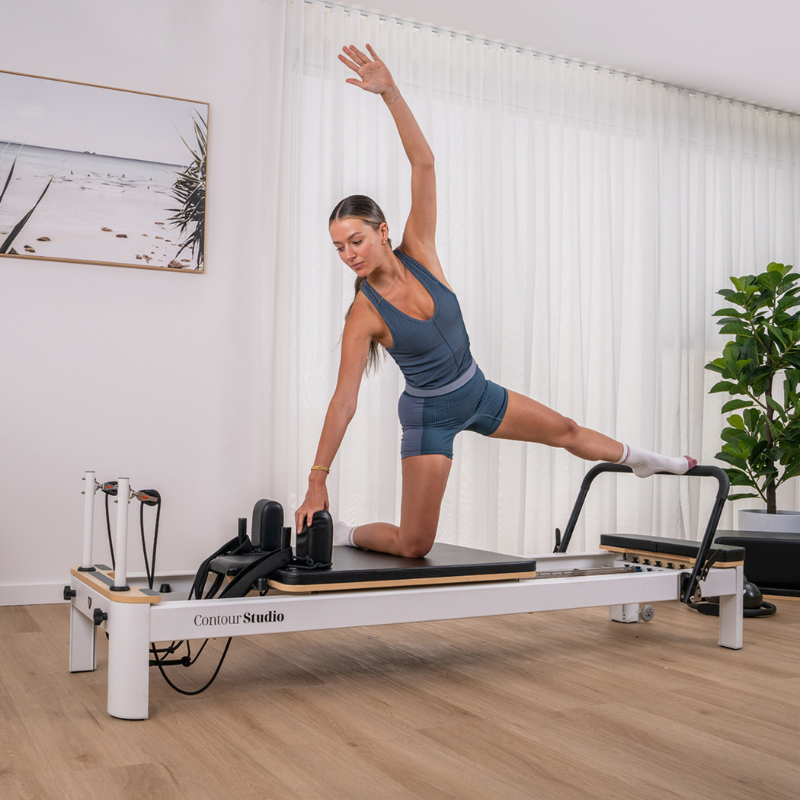
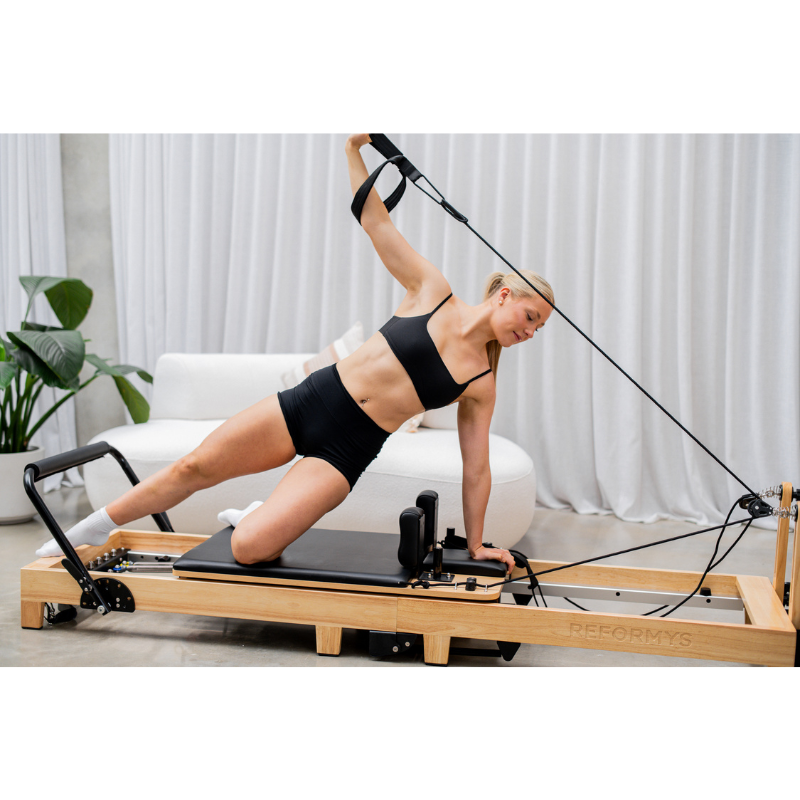
Reformer Pilates is a form of resistance-based exercise.
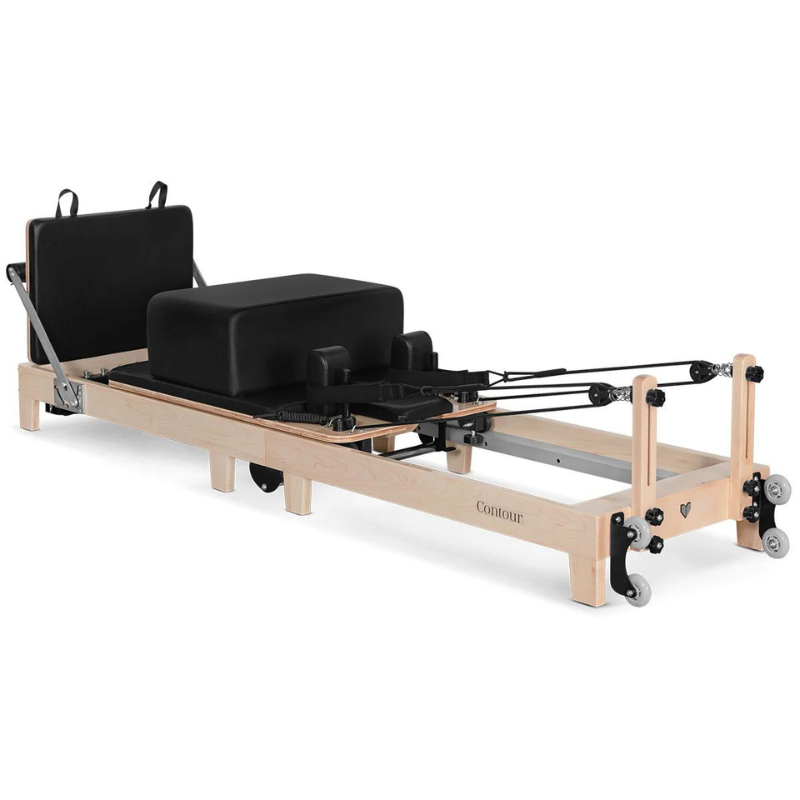
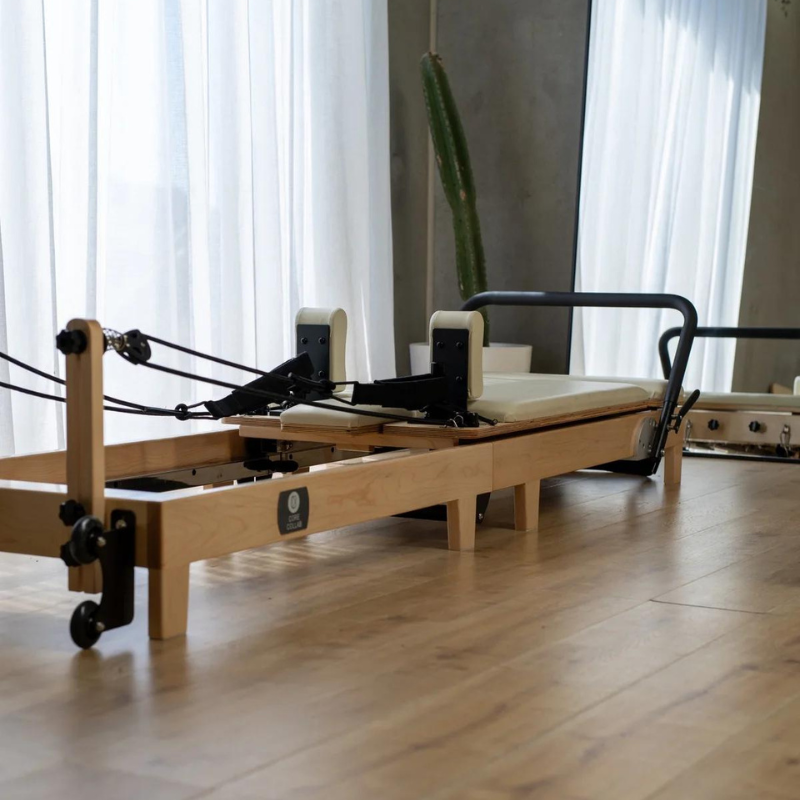
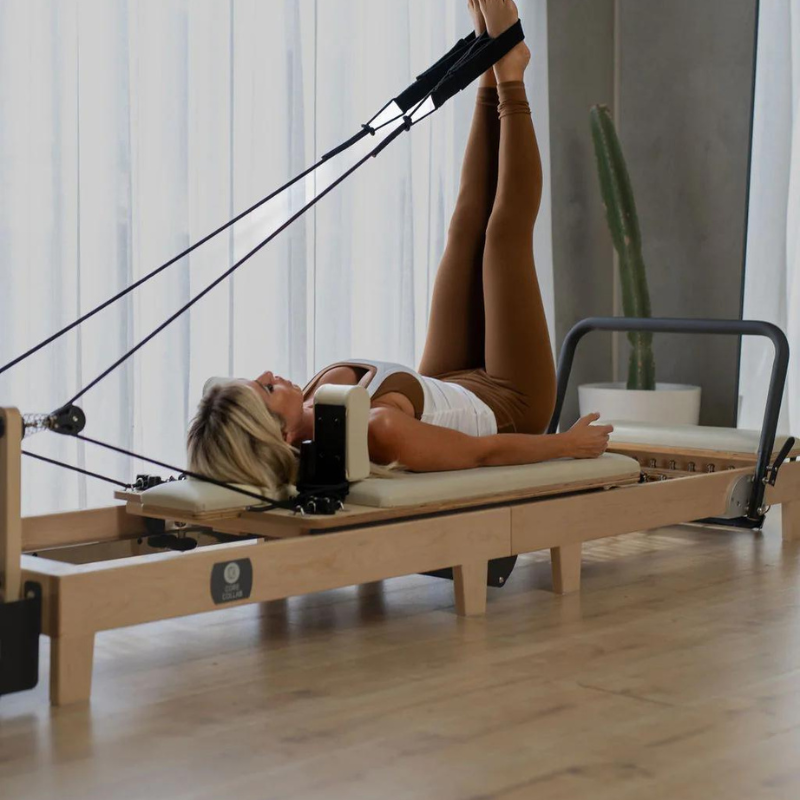
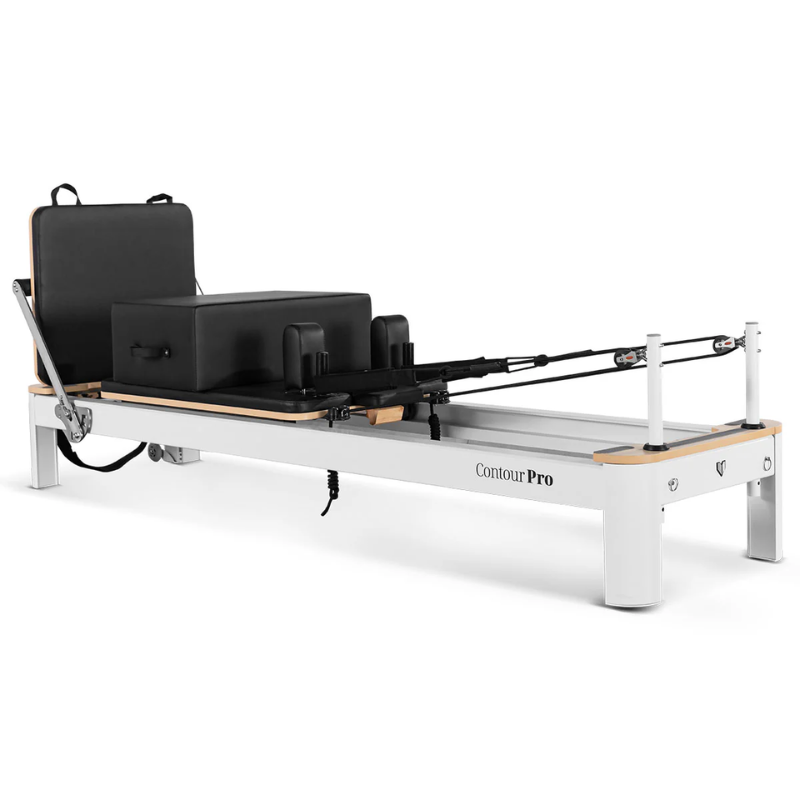
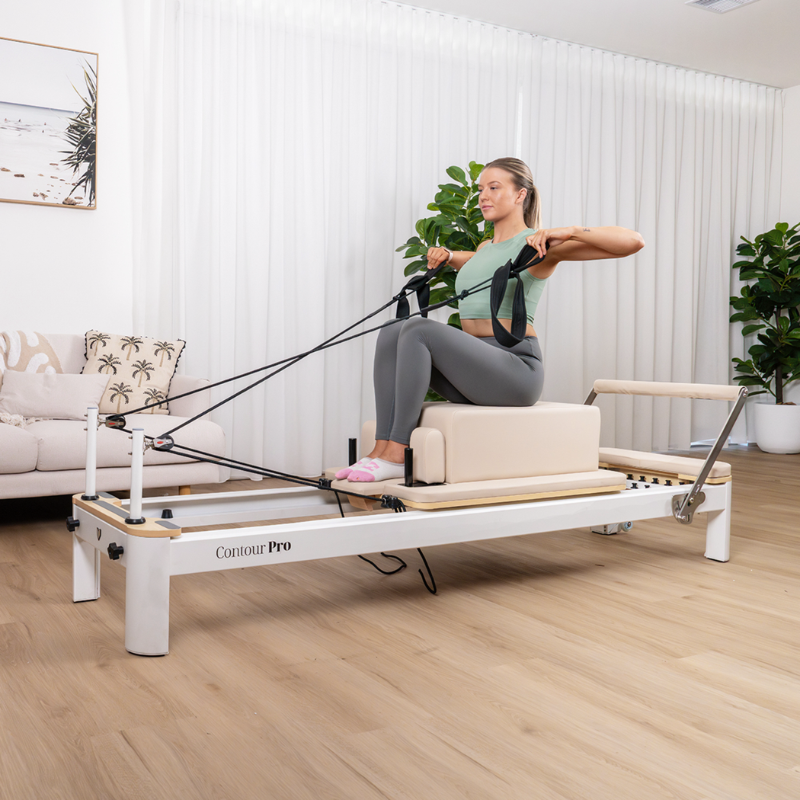
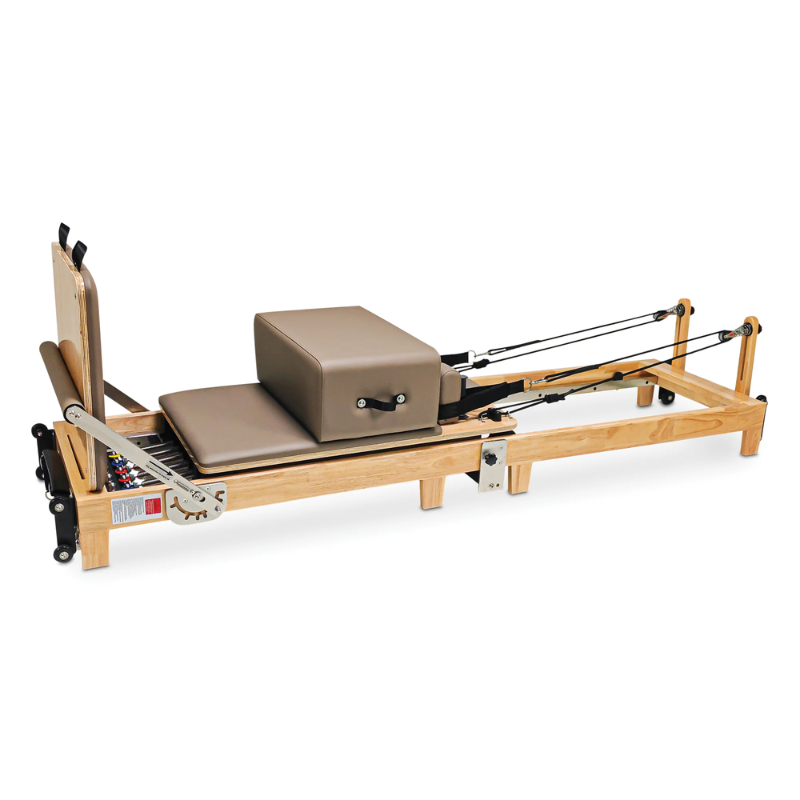
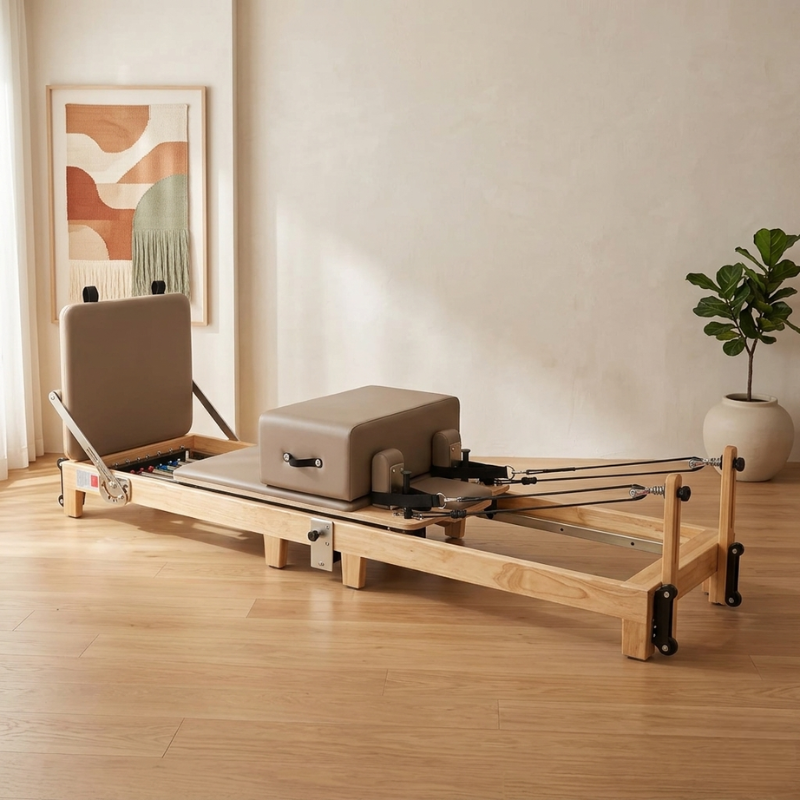
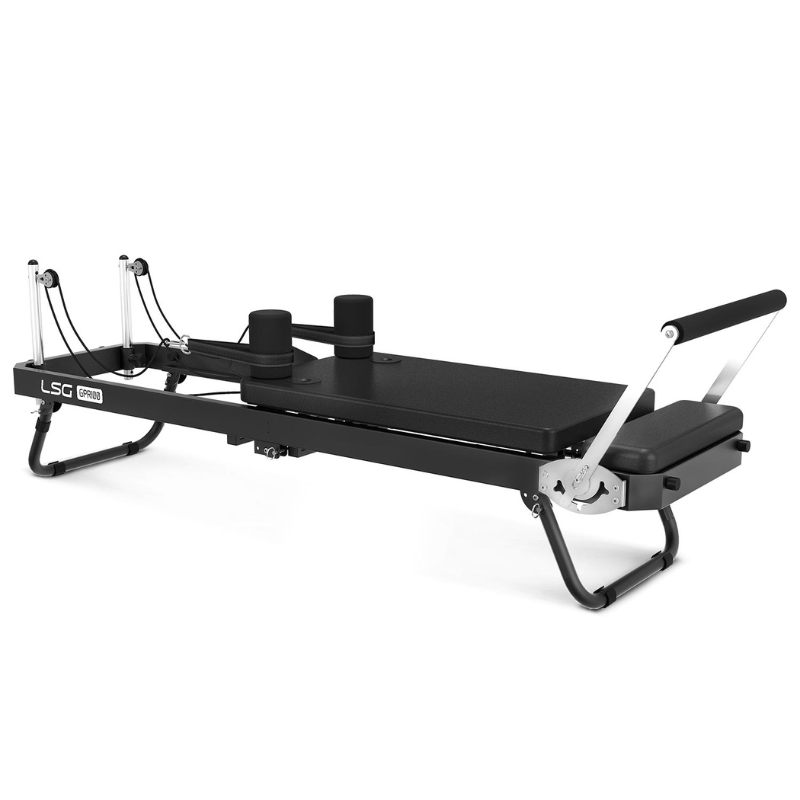
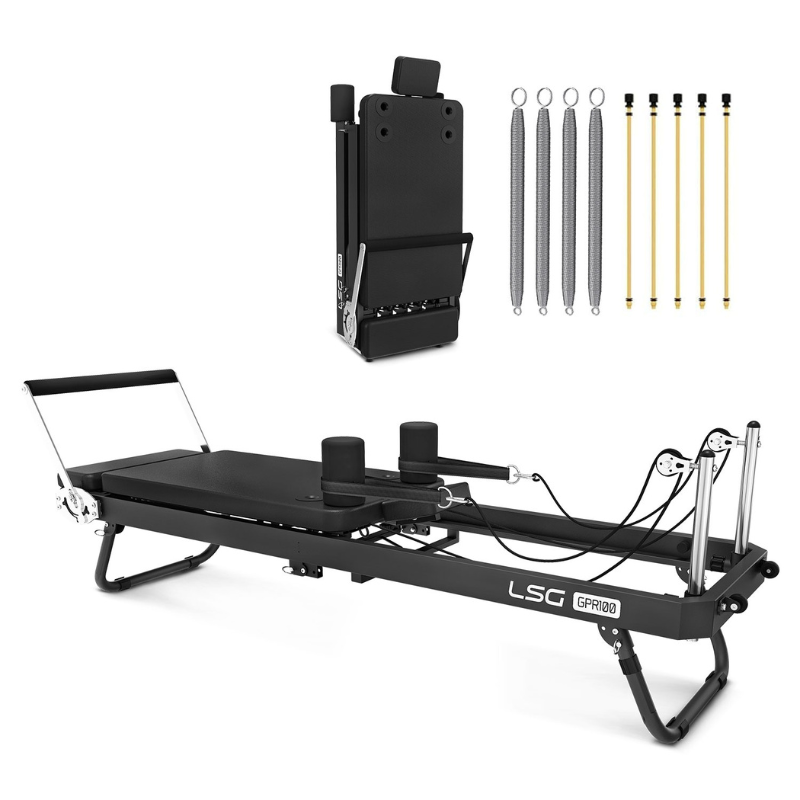
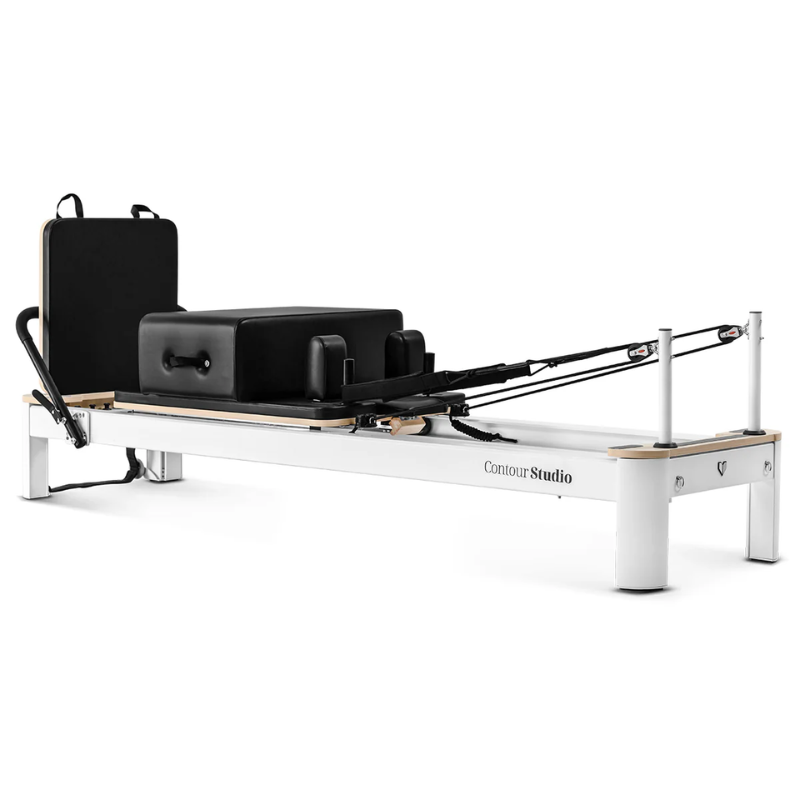
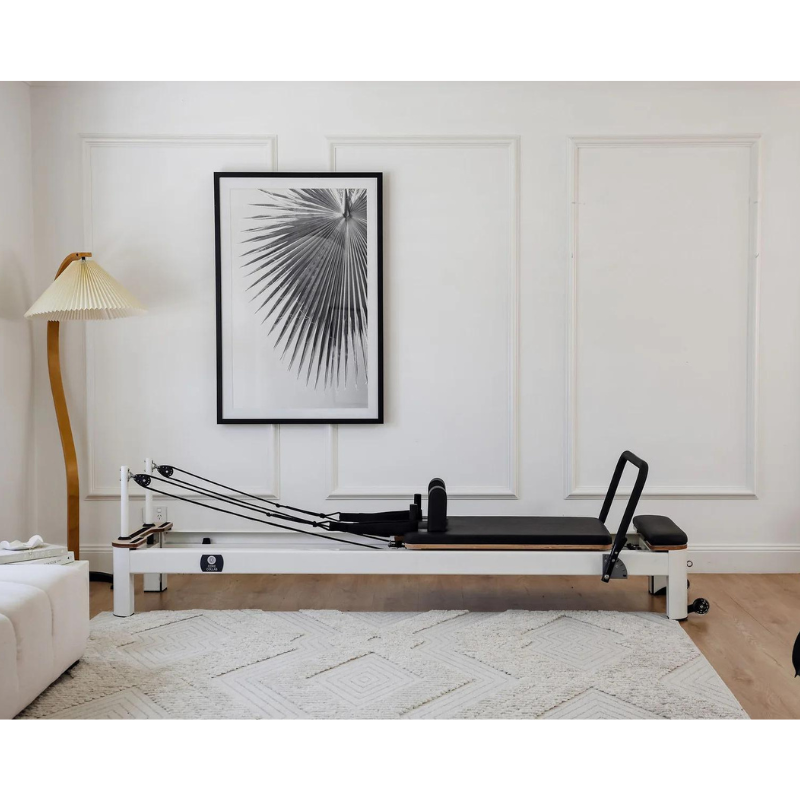
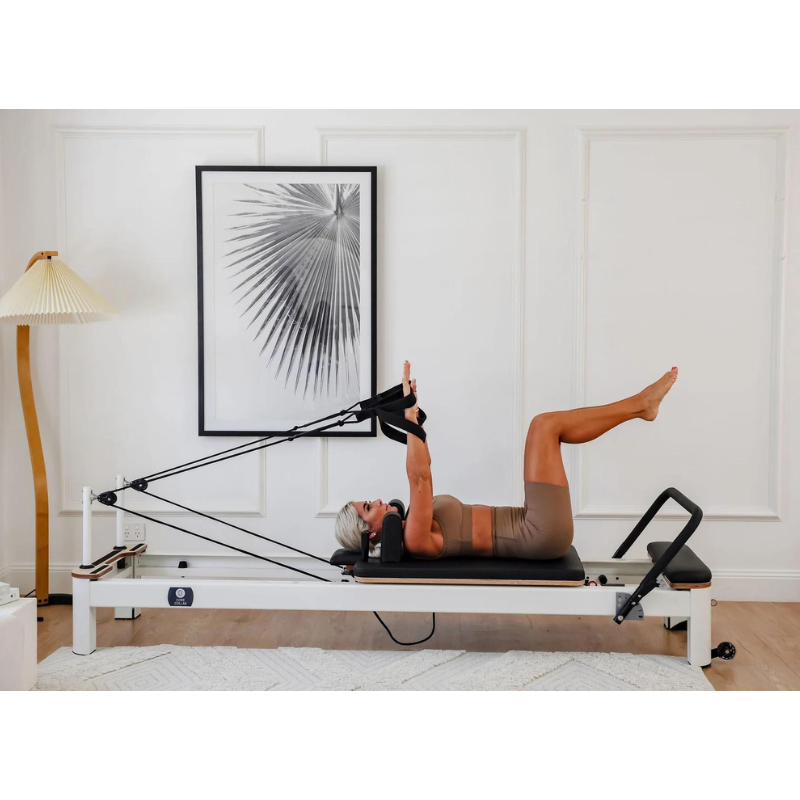
A reformer uses a movable carriage, springs, straps and body weight to create resistance. It's a form of exercise that's performed against spring-loaded resistance, including on a moving reformer carriage.
This means a reformer workout can challenge muscles throughout the body, including the:
- Core
- Glutes
- Legs
- Back
- Arms
- Shoulders.
Changing the springs, body position or exercise variation can make a movement feel more or less demanding.
But reformer Pilates and traditional weightlifting are not identical.
A reformer Pilates machine is particularly effective for controlled resistance, stability and muscular endurance. Free weights and gym equipment help with maximum strength or muscle growth as the main goal.
Neither approach has to replace the other.
The 3-2-1 method works because it allows you to benefit from both.
Why the 3-2-1 method creates a balanced routine
A balanced fitness routine should challenge more than one area of physical fitness.
The 3-2-1 approach includes:
- Resistance and progressive strength work
- Balance, mobility and coordination
- Cardiovascular exercise
- Planned recovery.
This mix reflects the variety encouraged by Australia’s updated movement recommendations for adults.
The guidelines recommend that adults include:
- Moderate-to-vigorous activity for at least 30 minutes on most days
- Muscle-strengthening activities on two or more days each week
- Functional activities targeting mobility, balance and coordination on three or more days each week
- Several hours of light-intensity activity each day.
Following the 3-2-1 formula doesn't automatically mean you'll meet every recommendation. The length, intensity and type of each workout still matter.
But the method gives a useful starting framework.
You don't have to perform only weights or only Pilates. You can make room for strength, movement quality and cardiovascular fitness.
The role of weightlifting in a 3-2-1 routine
The three strength sessions form the foundation of the traditional 3-2-1 structure.
You could divide them into:
- One lower-body workout
- One upper-body workout
- One full-body workout
Another option is to complete three full-body sessions with different exercises or intensity levels.
The key is progression.
As your body grows stronger, you can gradually:
- Increase the weight
- Complete more repetitions
- Add another set
- Improve your range of movement
- Use a more challenging exercise
- Perform each repetition with better control.
You don't need an advanced gym setup.
A pair of dumbbells, resistance bands or adjustable weights might be enough for many home strength exercises.
The best routine is not necessarily the most complicated one. The American College of Sports Medicine highlights consistency as an important part of creating an effective training plan.
The role of a Pilates reformer machine
The two Pilates sessions provide a change of pace without becoming passive recovery days.
A reformer workout can still be challenging. But it often asks you to approach resistance differently.
Rather than focusing only on the amount of weight moved, you might focus on:
- Keeping the carriage controlled
- Maintaining alignment
- Stabilising your pelvis and torso
- Moving smoothly through each repetition
- Coordinating movement with breathing
- Working through a comfortable range of motion.
This can make reformer Pilates a valuable complement to heavier resistance training.
Your reformer sessions could focus on full-body movement. Or you could use them to support areas that receive less attention during your weights workouts.
For example, you might include exercises for:
- Core control
- Hip stability
- Glute endurance
- Shoulder stability
- Balance and coordination
- General mobility.

The role of cardio
The final workout in the 3-2-1 method is dedicated to cardiovascular activity.
This doesn't have to mean running.
Your cardio session could include:
-
Brisk walking
-
Cycling
-
Swimming
-
Rowing
-
Dancing
-
Hiking
-
A low-impact cardio workout.
Choose an activity that suits your fitness level and that you're likely to repeat.
The Australian Government’s current recommendations define moderate-to-vigorous movement as an important part of a healthy weekly routine. Adults are encouraged to complete 30 minutes or more of moderate-to-vigorous physical activity on most days.
One dedicated cardio workout might not be enough to meet that recommendation by itself. Everyday walking and other active movement can also contribute to your total activity.
A sample 3-2-1 workout schedule
There is no single correct way to organise your week.
Here's one example:
Monday: Lower-body strength
Focus on movements such as squats, lunges, deadlifts and calf raises.
Tuesday: Reformer Pilates
Complete a full-body session with an emphasis on control, core stability and mobility.
Wednesday: Upper-body strength
Include pushing and pulling exercises such as rows, presses and pulldowns.
Thursday: Cardio
Choose brisk walking, cycling, swimming or another activity you enjoy.
Friday: Reformer Pilates
Try a flowing session that focuses on balance, coordination and muscular endurance.
Saturday: Full-body strength
Combine upper-body, lower-body and core exercises.
Sunday: Rest
Take a full rest day or enjoy gentle everyday movement.
The sessions can be moved to different days.
Try to leave enough recovery time between challenging workouts that target the same muscles.

Can you combine Pilates and weights in one workout?
Yes.
The 3-2-1 method doesn't require every workout to take place at a different time.
On a busy day, you might combine:
- 15 minutes of strength training
- 15 minutes of reformer Pilates.
You could also complete a short dumbbell circuit before moving to the reformer for core and mobility work.
Combined sessions might be helpful when 6 separate workouts don't fit into your week.
But have a think about which activity matters most for your goals.
When building strength is the priority, do your main lifting exercises while you're fresh. You can then use the reformer as a short finishing exercise.
When Pilates technique is your focus, then start with the reformer before you become too tired.
How a home reformer can make the routine easier
One potential challenge of the 3-2-1 method is fitting 6 sessions into 7 days.
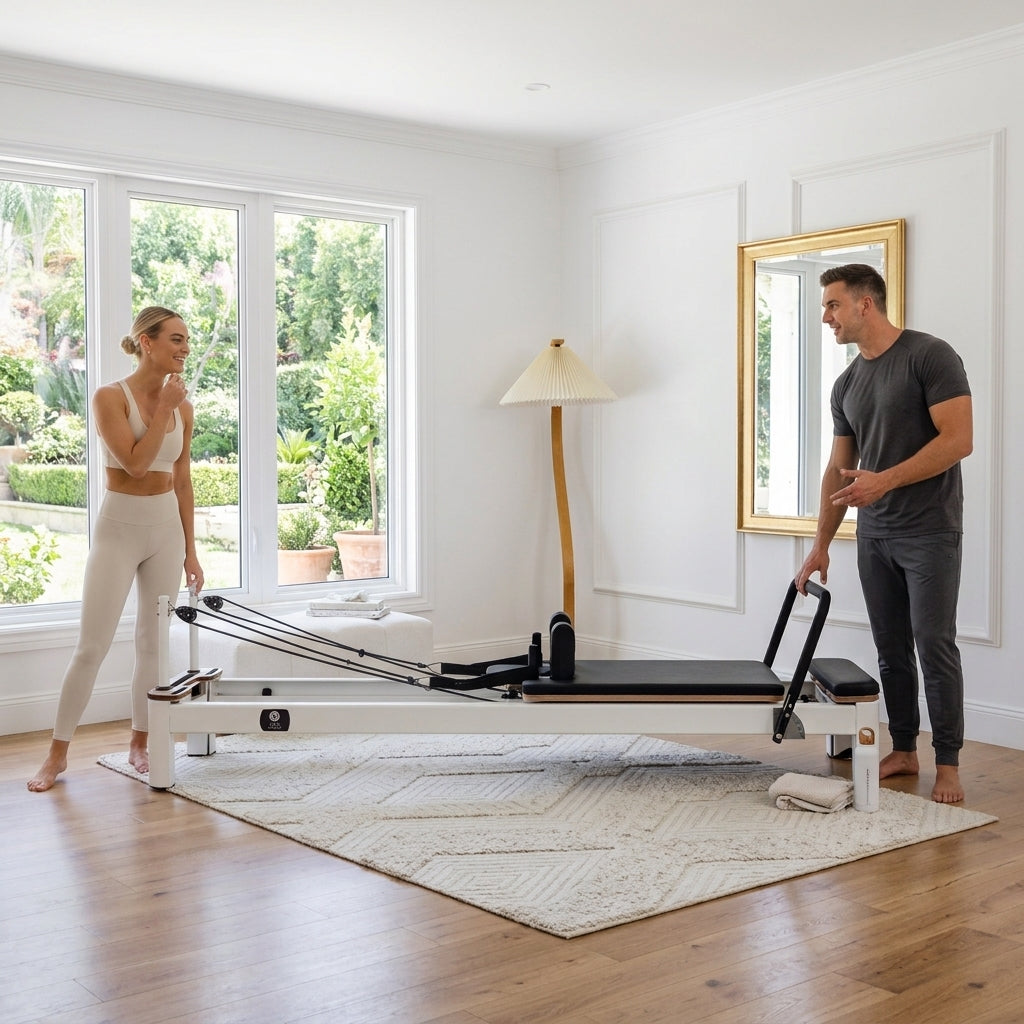
Access to a Pilates reformer machine at home can make the two Pilates sessions easier to schedule.
You won't need to:
- Travel to a studio
- Wait for an available class
- Organise your day around a timetable
- Rush through traffic before a session.
You can choose a workout length that suits the time available.
A short session might be realistic before work or between appointments. A longer full-body workout may suit the weekend.
Home access doesn't remove the need for planning. But it can reduce some of the practical frictions that make regular exercise harder to do.

Choosing a Pilates reformer machine in Australia
A reformer is a significant home-fitness purchase.
Before choosing a Pilates reformer machine in Australia, consider how the equipment will fit your body and home.
Measure the room
Check the full product dimensions.
Allow extra space beside and around the machine so you can get on and off comfortably. Some exercises also need your arms or legs to extend beyond the reformer frame.
Consider storage
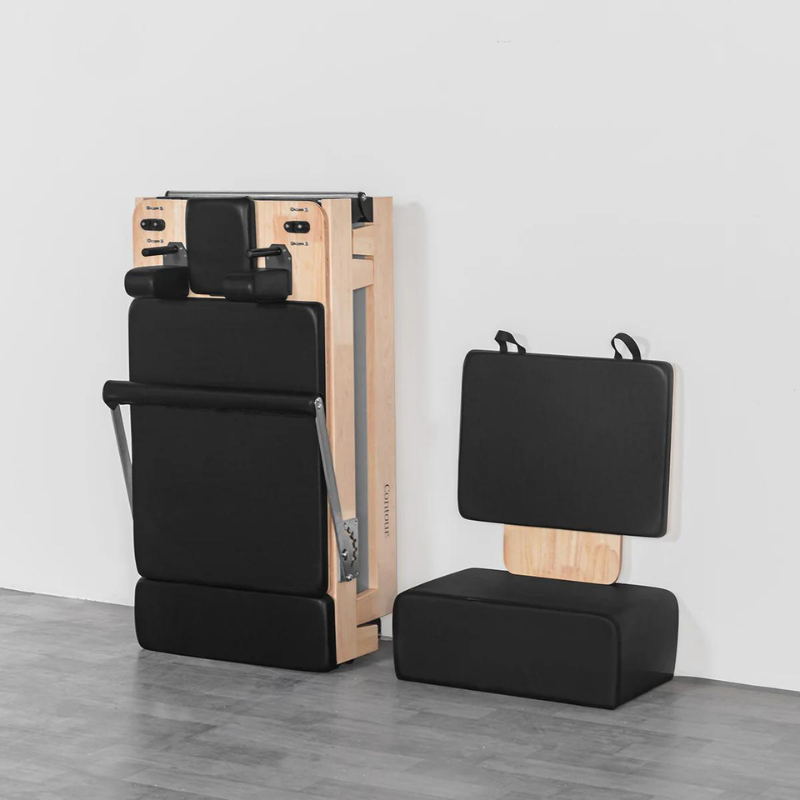
In smaller homes, look at whether the reformer:
- Folds
- Stands upright
- Includes transport wheels
- Can be moved by one person
- Requires permanent floor space.
Always follow the manufacturer’s storage and handling instructions.
Check the adjustment options
Look for features that help you create a comfortable setup, such as:
- Adjustable footbar positions
- Adjustable rope or strap lengths
- Headrest positions
- Different spring-resistance combinations
- Suitable carriage length
- Adjustable shoulder rests.
This is especially important when more than one person will use the machine.
Check what's included
A reformer package might include accessories such as:
- A Pilates sitting box
- A jumpboard
- A standing platform
- Hand and foot straps
- Exercise guides
- Access to digital classes.
Compare the full package rather than looking only at the reformer itself.
Look at delivery and support
For Australian customers, consider:
- Delivery availability
- Delivery access
- Assembly requirements
- Warranty terms
- Replacement-part availability
- Local customer support.
These practical details might affect how easy the reformer is to own and use over time.

Is six workouts a week too much?
Six weekly sessions will not suit everyone.
The right training volume depends on your current fitness and available time.
Someone who currently exercises once or twice a week might find that moving straight to six sessions is too big a jump.
A more manageable starting routine could include:
- Two strength sessions
- One reformer Pilates session
- One cardio session
- Additional rest or light-activity days.
You can slowly add sessions as your confidence and fitness improve.
It's also important to consider workout length.
6 short or moderate sessions can have very different demands on the body compared with 6 intense hour-long workouts.
The Australian Government recommends that people who are new to exercise begin with manageable amounts of activity and slowly build up.
Pain or persistent fatigue might be signs that your routine needs to change.
People who are pregnant, returning from an injury, or living with a medical condition should get advice from a health professional.
Can you change the 3-2-1 formula?
Yes.
The formula should support your goals rather than control your week.
Someone focused on building their strength might prefer 3 weights sessions and 2 lighter reformer workouts.
A Pilates enthusiast might reverse the numbers and complete:
- Three reformer sessions
- Two strength sessions
- One cardio workout.
You can also change the structure from week to week.
During a busy week, completing fewer sessions might be more realistic. During a quieter week, you might have time for the full routine.
Consistency over time matters more than completing a perfect calendar every week.
Frequently asked questions
Is reformer Pilates enough for strength training?
A reformer provides spring-loaded resistance and can challenge muscles throughout the body.
It can be especially useful for developing controlled strength, muscular endurance and stability.
People wanting maximum muscle size or strength might also benefit from progressive resistance training with heavier weights.
Combining the two methods can provide a broader range of training benefits.
Do I need gym experience to try 3-2-1?
No.
Beginners can use bodyweight exercises, light dumbbells and beginner reformer workouts.
Start with manageable sessions and focus on good technique. Build the duration, resistance and weekly frequency slowly over time.
Does cardio need to be high intensity?
No.
Brisk walking, swimming and cycling can all provide moderate-intensity activity. Your exercise should suit your experience, preferences and overall routine.
Can I do reformer Pilates on a rest day?
A gentle mobility-focused session might feel restorative, but it's still physical activity.
If your body needs complete rest, take the day off. Rest is part of the training process, not a missed workout.
What should I look for in a Pilates reformer machine in Australia?
Consider the machine’s:
- Dimensions
- Adjustability
- Spring system
- Accessories
- Storage options.
You should also check:
- Delivery
- Warranty coverage
- Replacement parts
- Access to Australian customer support.
Pilates or weightlifting? You can choose both
Pilates and weightlifting don't have to compete for a place in your routine.
Weightlifting offers a clear way to progressively build strength and muscle.
Pilates supports control, balance, flexibility, coordination and muscular endurance.
Cardio contributes another important form of movement.
The 3-2-1 approach combines all three in an easy-to-understand weekly structure.
It's not a rigid rule or a perfect formula for everyone. But it can help you build a varied routine without relying on only one type of exercise.
Having a Pilates reformer machine at home can make that routine more convenient. It gives you flexible access to controlled, resistance-based Pilates workouts.
Explore Elite Reformer’s range and find a reformer Pilates machine to support your home fitness routine.

Written by Elite Reformer