Article: The Spring Pilates Reset You’ll Still Be Following in November
The Spring Pilates Reset You’ll Still Be Following in November
Spring has a funny way of making us want to refresh everything at once.
The mornings get lighter and the weather starts warming up. Suddenly, the plan is five workouts a week, daily walks, meal prep, earlier bedtimes and a completely new morning routine.
It feels motivating on day one. By week three? Not always.
If you want this spring to be different, the answer may be a much smaller reset. One that fits into your actual life and still feels doable when the first burst of motivation wears off.
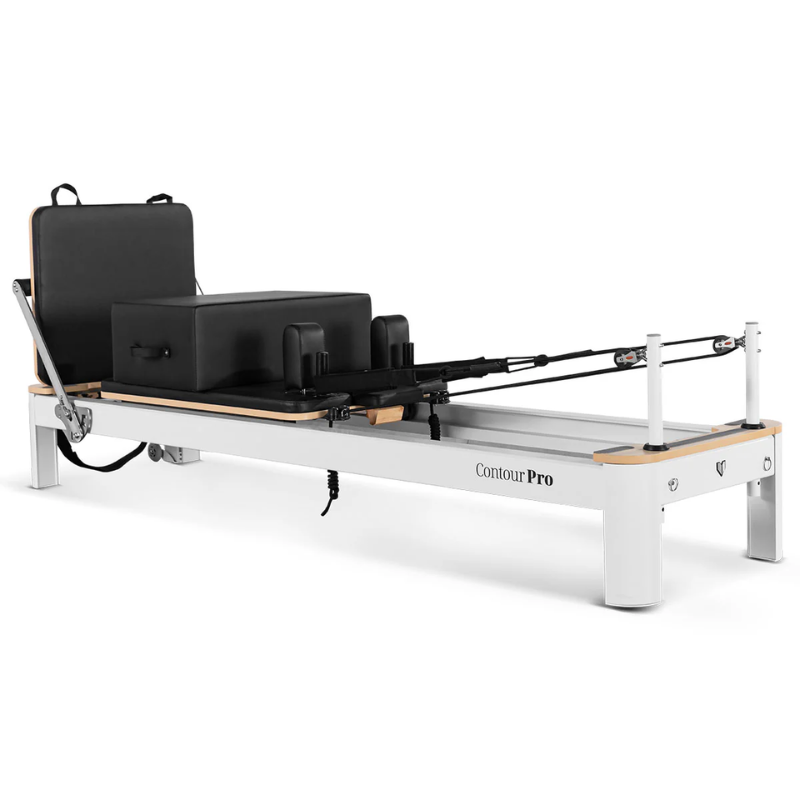
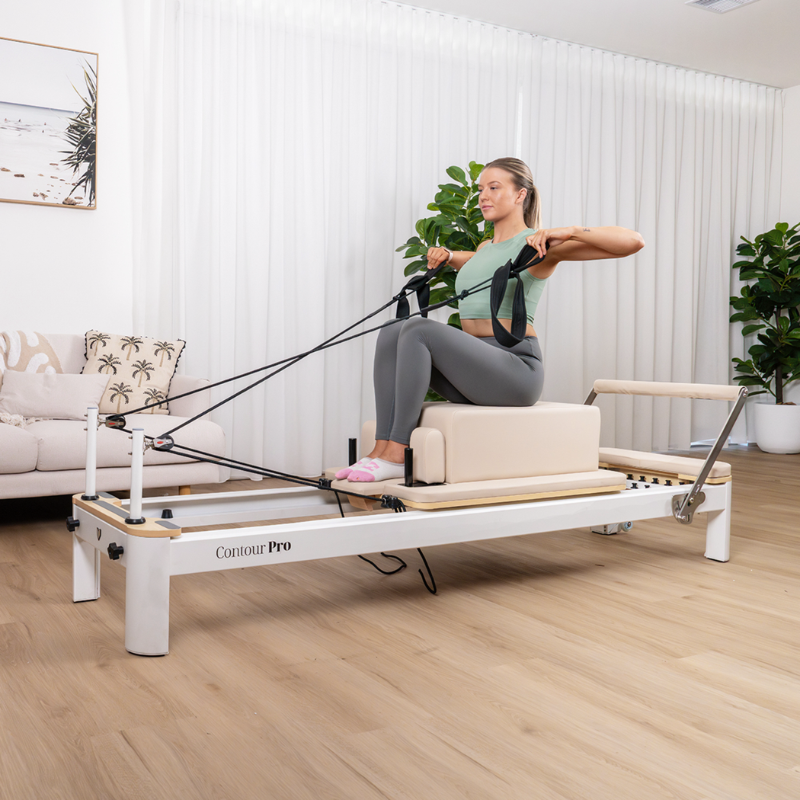
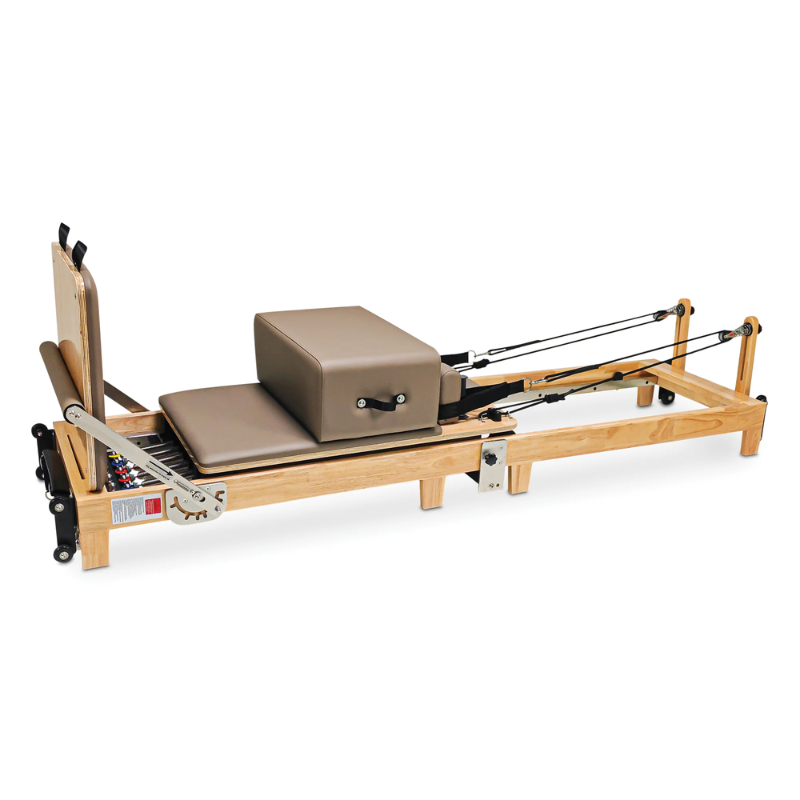
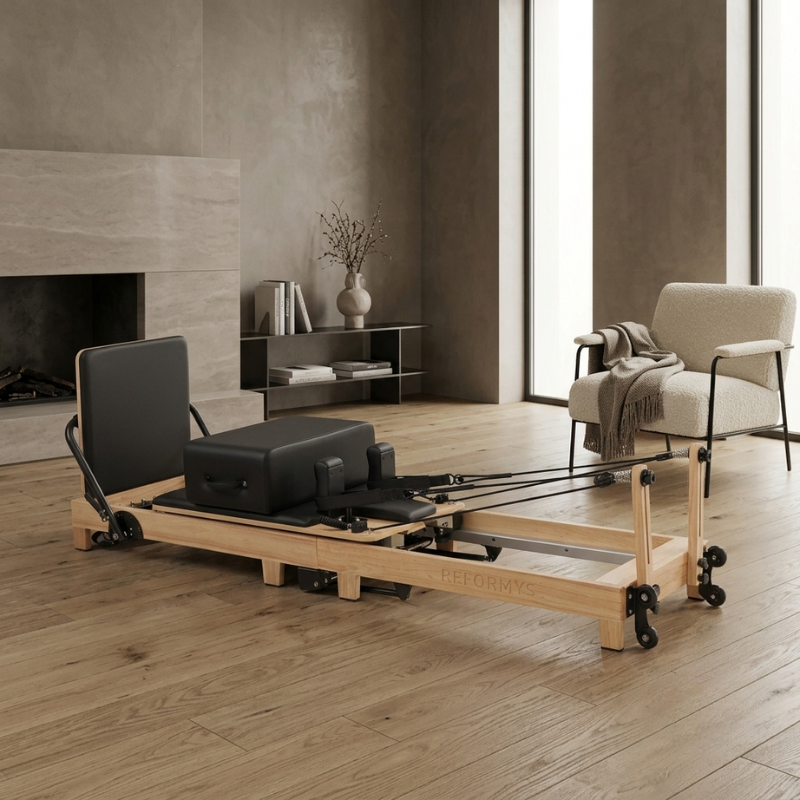
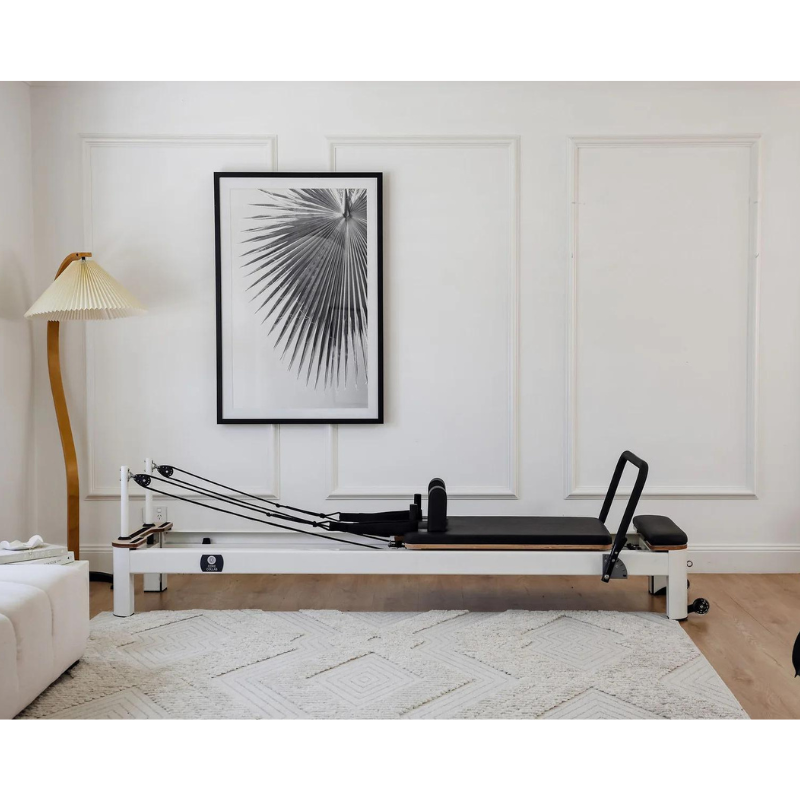
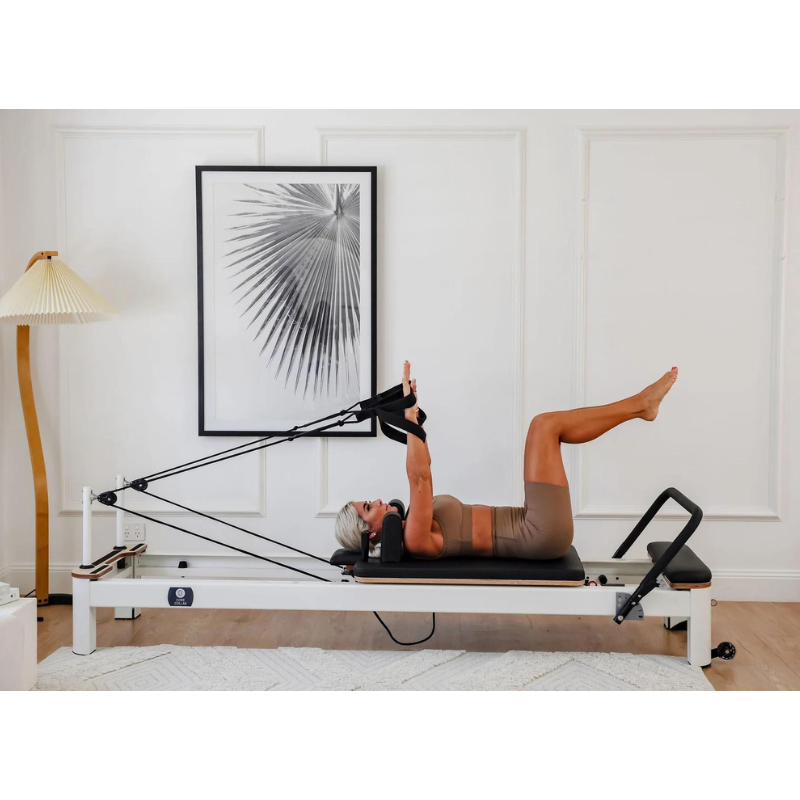
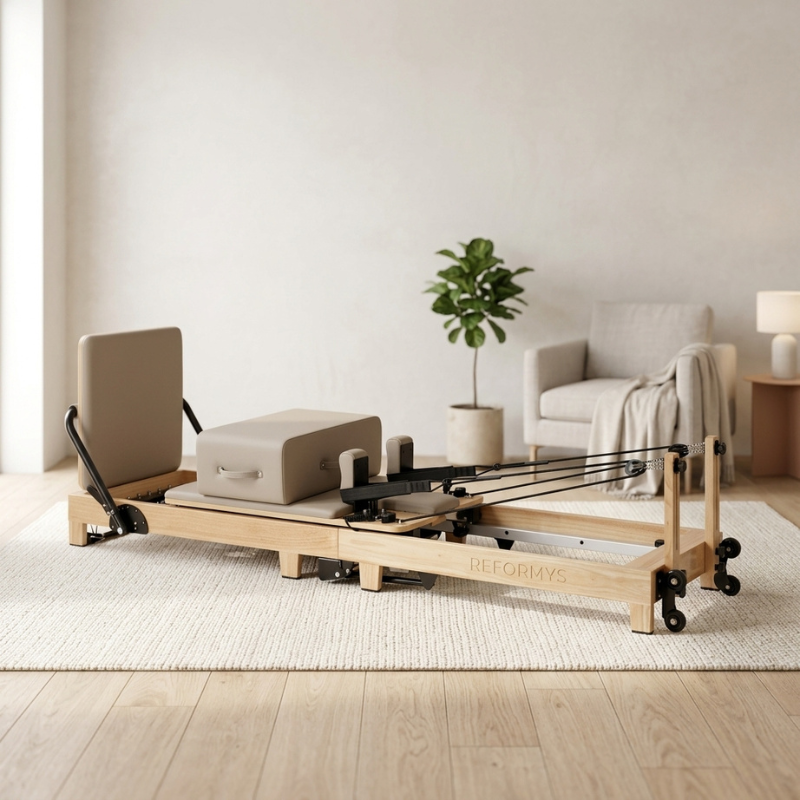
If you have a Pilates reformer machine at home, you already have one big advantage. Your workout can be right there when you’re ready for it.
The next step is turning that convenience into a routine you can realistically keep.

Forget the perfect spring fitness plan
There’s nothing wrong with feeling energised by a new season. The problem starts when that energy convinces us to design a routine for our most motivated self.
That person has endless time. They never sleep through an alarm. Their calendar never changes. Apparently, they also never have a long day at work.
A routine that lasts needs to work for regular-you instead.
And habit research gives us a useful clue about how to do that.
14 studies involving 6,069 participants found that people were more likely to stay physically active when they exercised at the same time and in the same place. Time and routine consistency appeared particularly relevant to actual physical activity behaviour.
In other words, when and where you exercise can matter when you’re trying to make movement feel more automatic.
Other habit-building research has reached a similar conclusion. Performing a behaviour in a more stable environment led to better achievement of repetition goals.
So, instead of asking:
How much Pilates can I squeeze into spring?
Try asking:
What could I still see myself doing in November?
That question leads to a very different kind of reset.
Step 1: Choose your reformer days before the week begins
Start by giving your workouts a home in your calendar.
Not:
“I’ll use the reformer three times this week.”
Try:
Tuesday after work. Saturday morning.
Specific days remove one little decision from your week. You’re no longer waking up every morning and negotiating with yourself about whether you should workout today.
You already decided.

A study on walking habits found that people were more likely to build a habit when they planned their walks for consistent times and situations.
That doesn’t mean every workout needs to happen at precisely 6:02 pm. Life is still life. Think of your chosen days and times as anchors rather than rigid rules.
And if two sessions feel genuinely manageable, begin with two.
The current Australian 24-hour movement guidelines for adults recommend being active most days. This includes muscle-strengthening activities on 2 or more days per week, alongside other forms of movement.
Your reformer sessions can be part of that bigger picture. And it doesn't need to carry the entire responsibility for your weekly activity.
Not sure what Pilates workout frequency makes sense for you? We explore the question in more detail in How Often Should You Do Reformer Pilates?
Step 2: Keep your Pilates reformer machine accessible
Sometimes the difference between working out and not working out is surprisingly small.
If getting started means moving furniture, unpacking equipment, searching for accessories and reorganising half the room, you have several opportunities to decide:
Maybe tomorrow.
That’s why the setup around your reformer pilates machine matters.
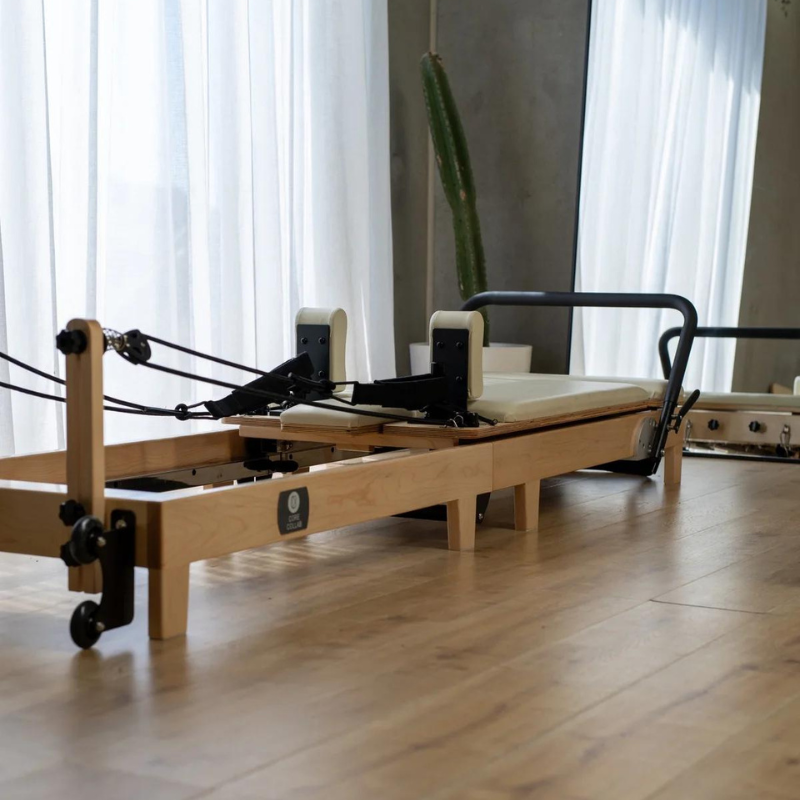
Where possible, create a space where the reformer is ready to use. Keep the accessories you regularly reach for nearby. Have your workout clothes somewhere obvious. Save a few sessions you already know you enjoy.
You’re essentially removing friction from the first few minutes. And your home setup can become part of that familiar context.
You finish work.
You see the reformer.
Tuesday is reformer day.
You begin.
There’s less ceremony involved, which is exactly the point.
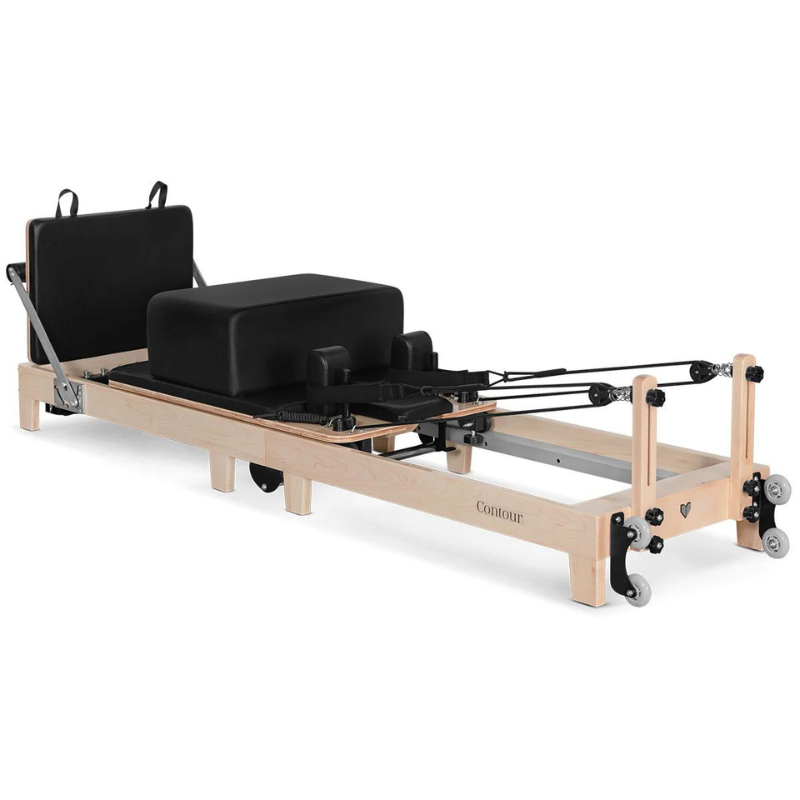
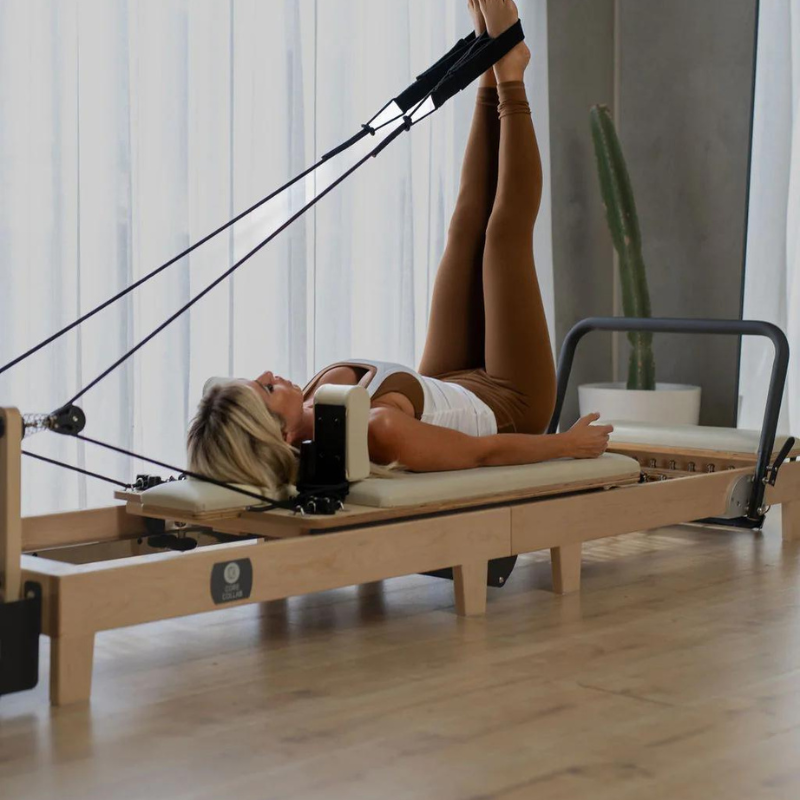
This is one of the practical reasons a reformer machine for Pilates at home can work so well. Especially for someone who struggles to fit studio sessions into a busy schedule. The distance between deciding to exercise and actually starting becomes very small.
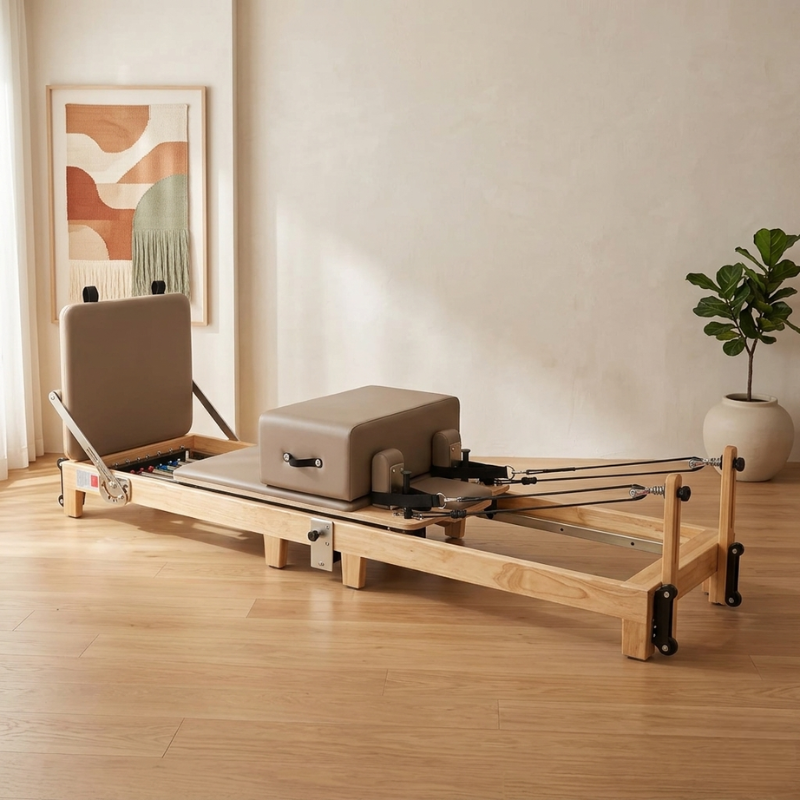
Of course, that works best when your reformer has a sensible place to live. Are you still deciding on positioning, flooring and how much room to leave around the machine? Take a look at our guide to setting up a Pilates reformer studio at home.

Step 3: Make your first sessions almost too easy
The first few weeks are not the time to prove how hard you can train.
They’re the time to prove that you can come back.
This is where spring resets often get tangled up. We feel motivated, so we assume the most effective workout must also be the longest or hardest one we can manage.
But when you’re building a routine, ease of repetition matters too.
Maybe you start with 15 or 20 minutes.
Maybe your usual workout eventually becomes 30 or 40 minutes, but you keep a shorter version available for packed days.
The point isn’t that shorter is always better. It’s that the workout needs to be manageable enough that you’re willing to begin it again.
Your reformer doesn’t need to do everything. A walk, a quick stretch, a swim, a bike ride or another kind of movement can all have a place in your week too.
So if today is a 20-minute reformer day, let it be a 20-minute reformer day.
You showed up.
And your Pilates machine became part of an ordinary Tuesday. It didn't become something reserved for the days when motivation, energy and free time all happen to align.

Try the 2-plus-1 method
If you like having a simple formula to follow, try this:
2 planned sessions + 1 optional session each week.
Your two planned workouts are the habit. They go into the calendar first.
The optional session is a bonus.
Do it when your week allows, but don’t let missing it turn into a feeling that the whole plan has failed.
For example:
- Tuesday: planned reformer session
- Saturday: planned reformer session
- Thursday or Sunday: optional session if it suits the week
This little hack can change the mood around your fitness routine.
Instead of constantly falling short of an ambitious target, you’re regularly hitting the goals you actually made.
Once two sessions feel more like a habit, you can reassess.
Maybe you want three. Maybe two reformer sessions alongside walking, cycling, swimming or another type of exercise feels exactly right.
The goal is a routine that works with the rest of your life.
What if you miss a workout?
You probably will at some point.
A meeting runs late. You travel. The kids need you. You sleep badly. Saturday suddenly fills up.
That doesn’t mean you’re back at day one.
Don't try to compensate with an extra-long session or declaring the week a write-off. Instead, look for the next best opportunity to return to your normal routine.
Routines and habits are useful because repeated behaviour in familiar situations starts to feel more natural and effortless. Research on physical activity habits supports the role of consistent cues in developing a habit.
Tuesday comes around.
The reformer pilates machine is waiting.
You already know what happens next.
That’s a much more realistic version of consistency than expecting every week to look perfect.
Make your reformer the easy option
There’s another side to this habit-building idea that’s worth thinking about.
Your environment can either make your goal easier or add another barrier instead.
So take a look around your reformer space.
Is the machine ready to use? Are the things you need nearby? Do you know what workout you’re going to do, or do you spend 15 minutes scrolling before every session?
Could you leave your grip socks in the same spot? Bookmark three favourite workouts? Keep your most-used accessories together?
None of these things feel particularly dramatic.
But that’s the theme here.
You’re not trying to create the most impressive fitness setup. You’re trying to create one that makes getting started feel easy.

Thinking about adding a reformer at home?
If convenience is one of the biggest barriers between you and consistent Pilates, having your own equipment can make your spring reset much simpler.

But when you’re looking at a Pilates reformer machine for sale, it helps to think beyond purchase day.
Ask yourself how the machine will fit into your normal week.
Where will it live?
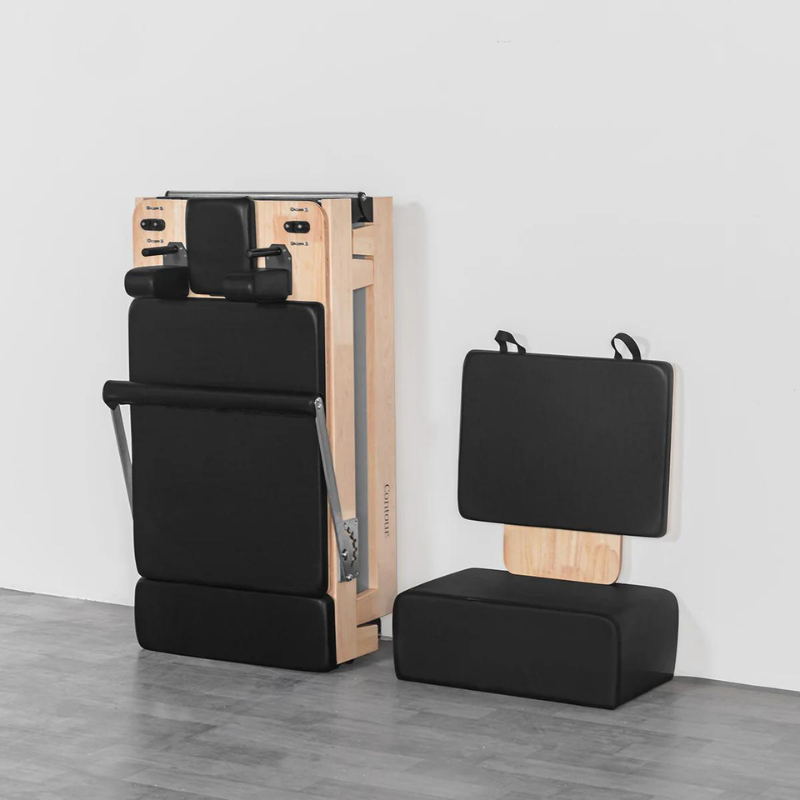
Will it stay assembled, or will you need to store it?
How easy will it be to start a quick session?
Is there enough usable space around it?
For anyone planning to buy a Pilates reformer machine, those everyday details can be so important. They're just as important to consider as carriage feel, springs, dimensions and accessories.
Our ultimate guide to buying a Pilates reformer for home walks through the practical things worth comparing, including space, construction, springs, accessories, storage and everyday convenience.
Because the right home reformer shouldn’t only look good on purchase day.
It should fit naturally enough into your space and routine that using it still feels easy months later.

Written by Elite Reformer